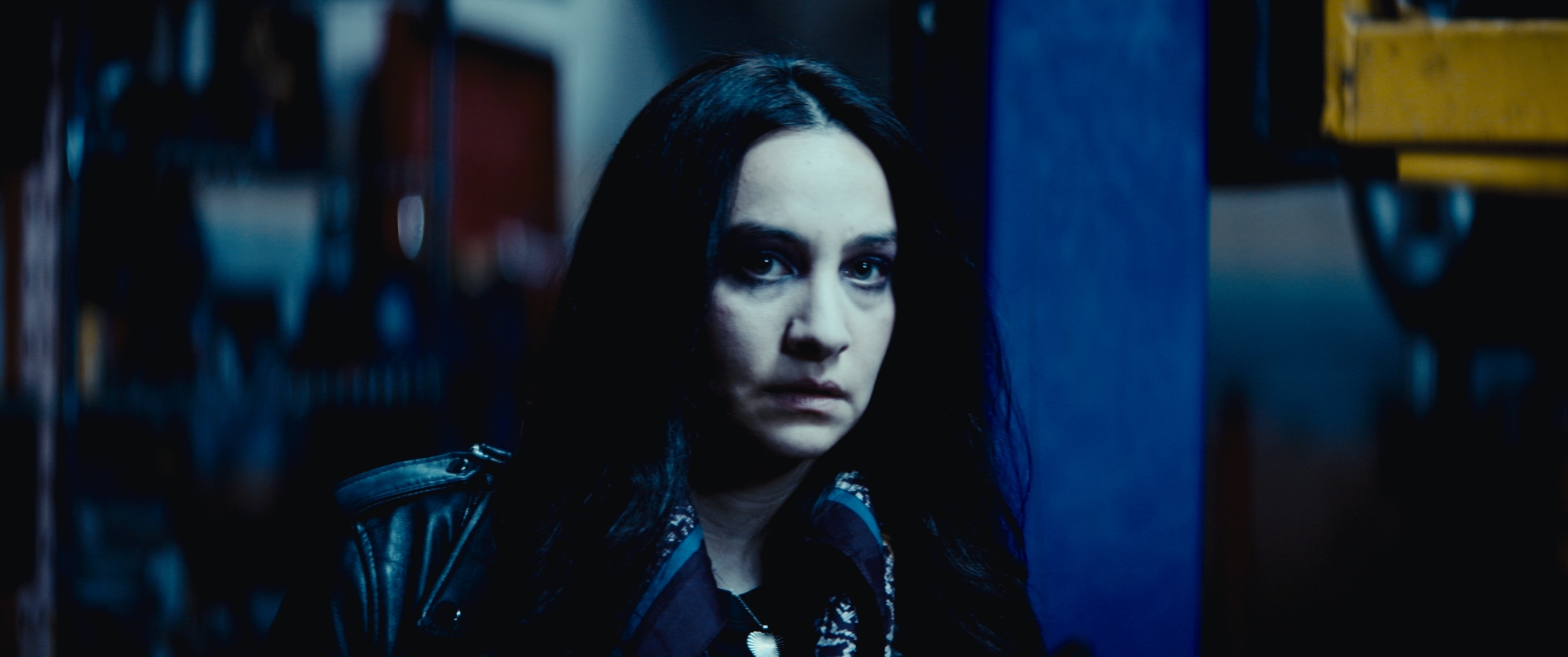
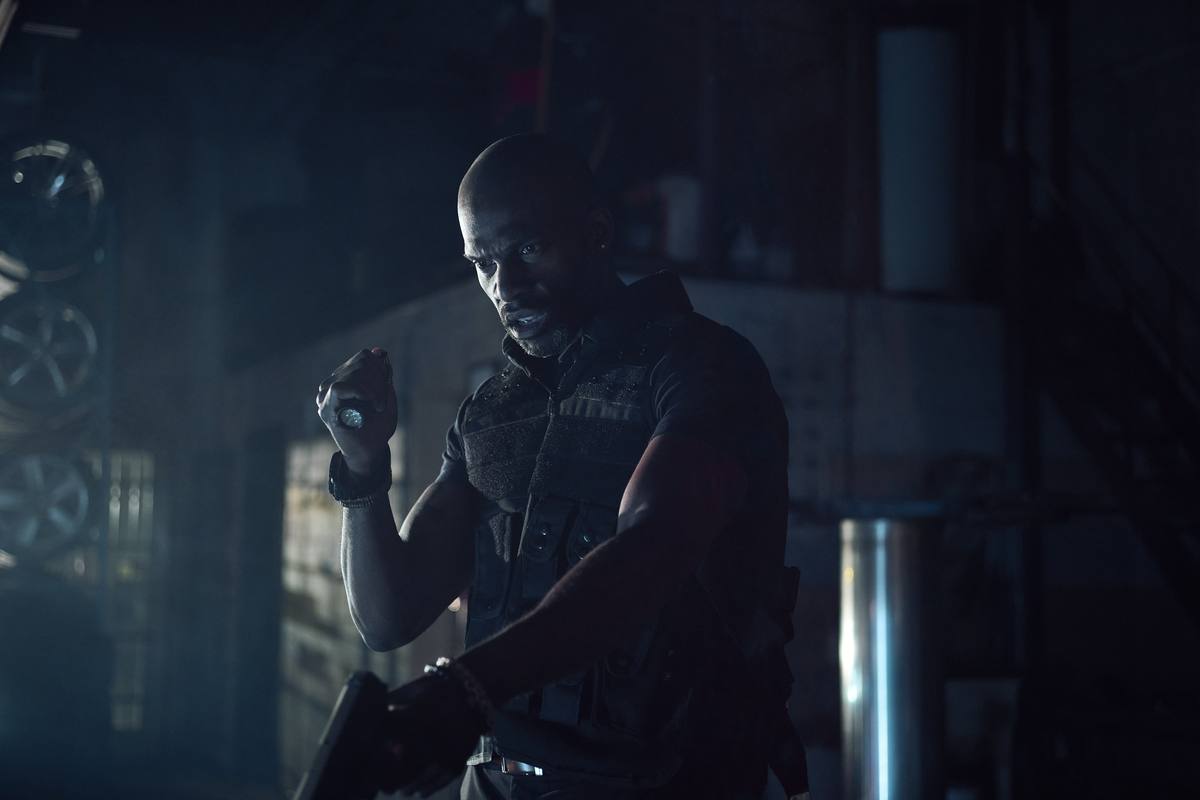
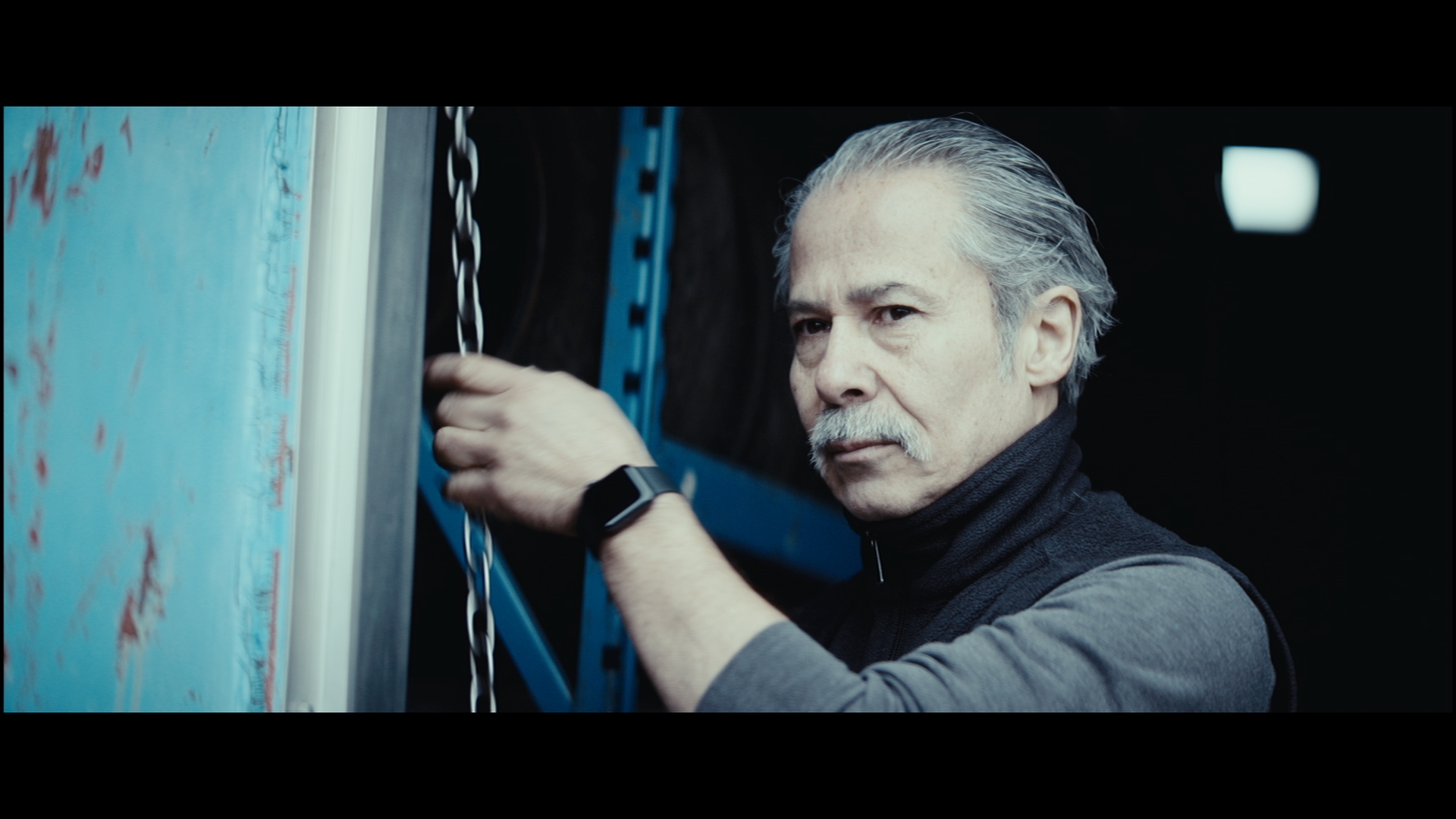
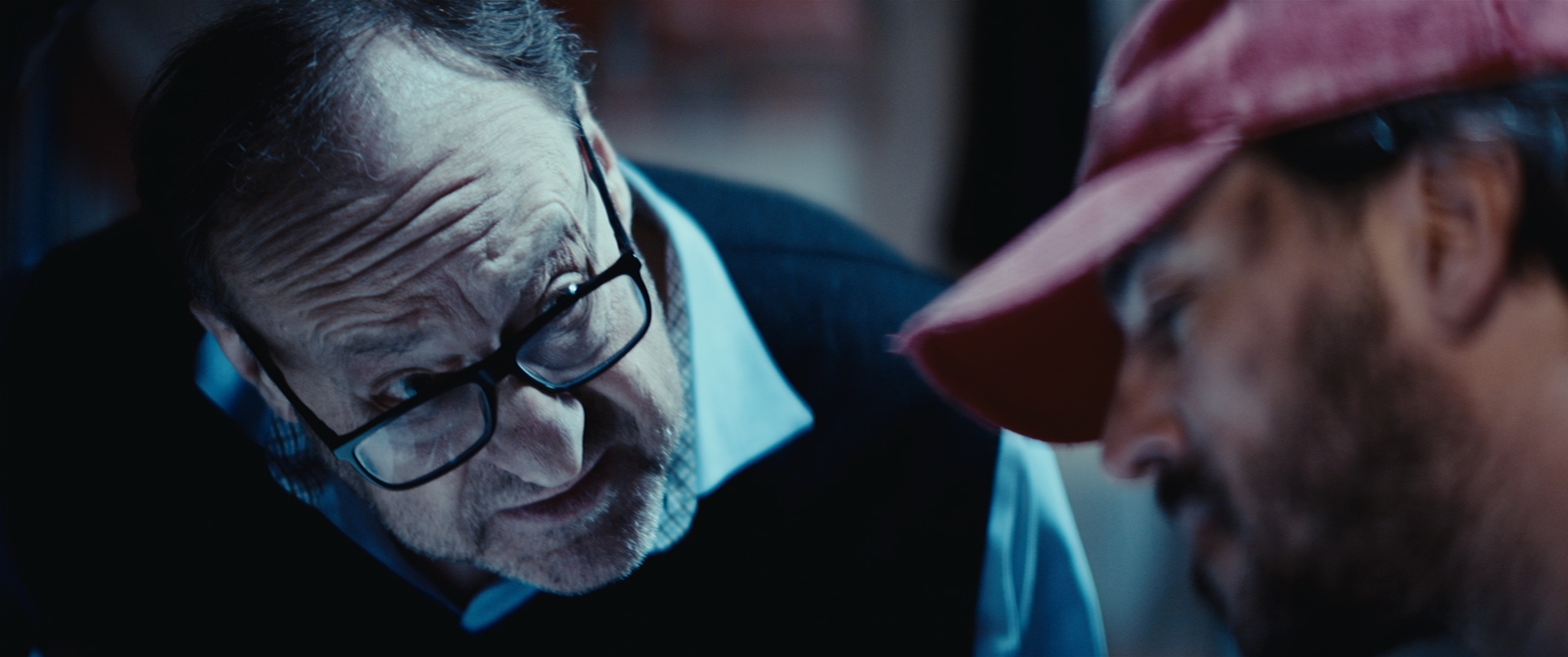
A Film by Karim Elamouri · Boga Films & Farka Productions · Tamer Zeitoun
Press Kit · 2026
One night. One garage. No way out.
After delivering a mysterious package to a remote garage, an undocumented immigrant becomes trapped inside when the owner suddenly dies, forcing him to assume a false identity as a series of dangerous visitors arrive, turning one night into a fight for survival.
Set almost entirely within a single location, 33 Harvest Line is a tense, character-driven thriller that explores identity, survival, and the human cost of living without a safety net.
| Director | Karim Elamouri |
| Producers | Tamer Zeitoun · Karim Elamouri · Ayman El Gazwy |
| Production | Boga Films · Farka Productions · Tamer Zeitoun |
| Genre | Thriller / Drama |
| Runtime | 90 minutes (TBC) |
| Country | USA / Canada / UK |
| Language | English |
| Year | 2026 |

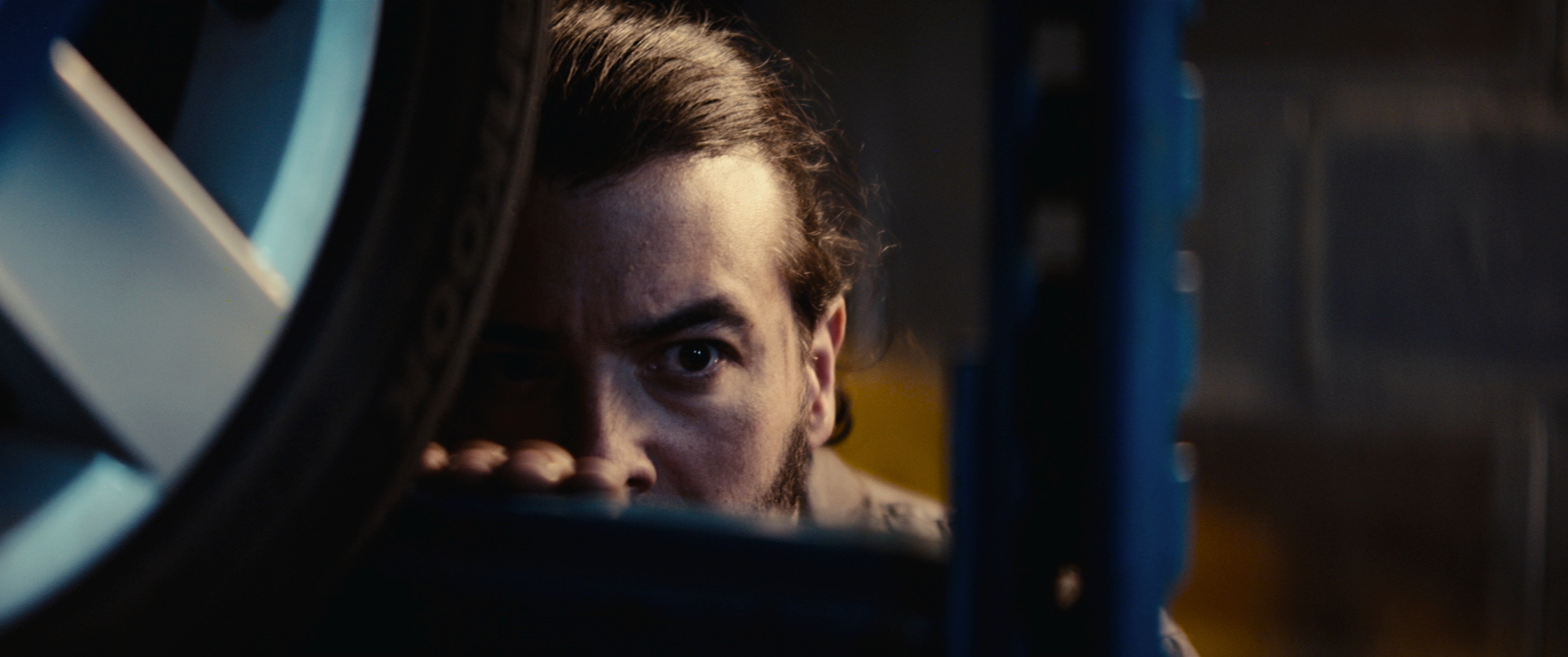
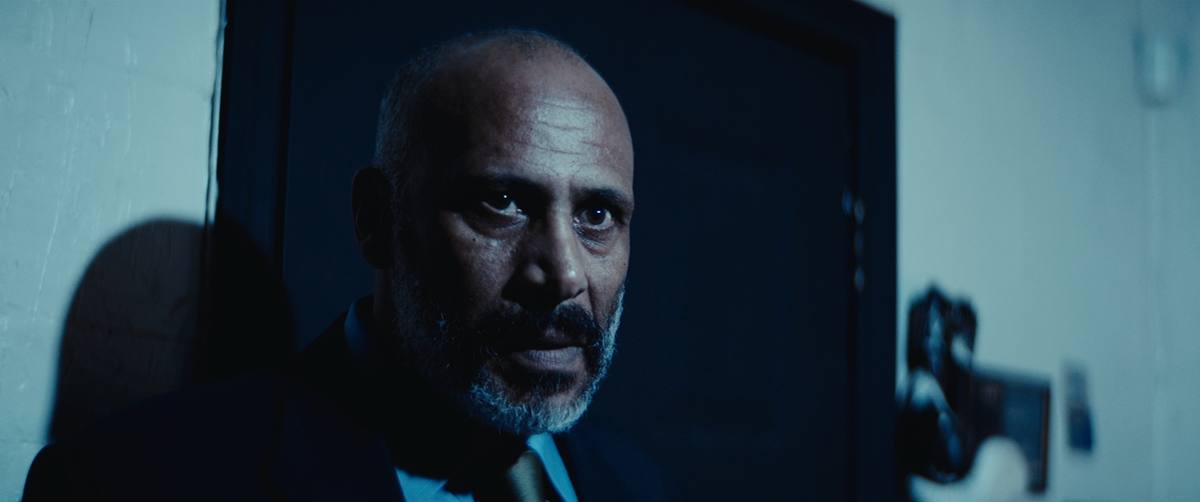
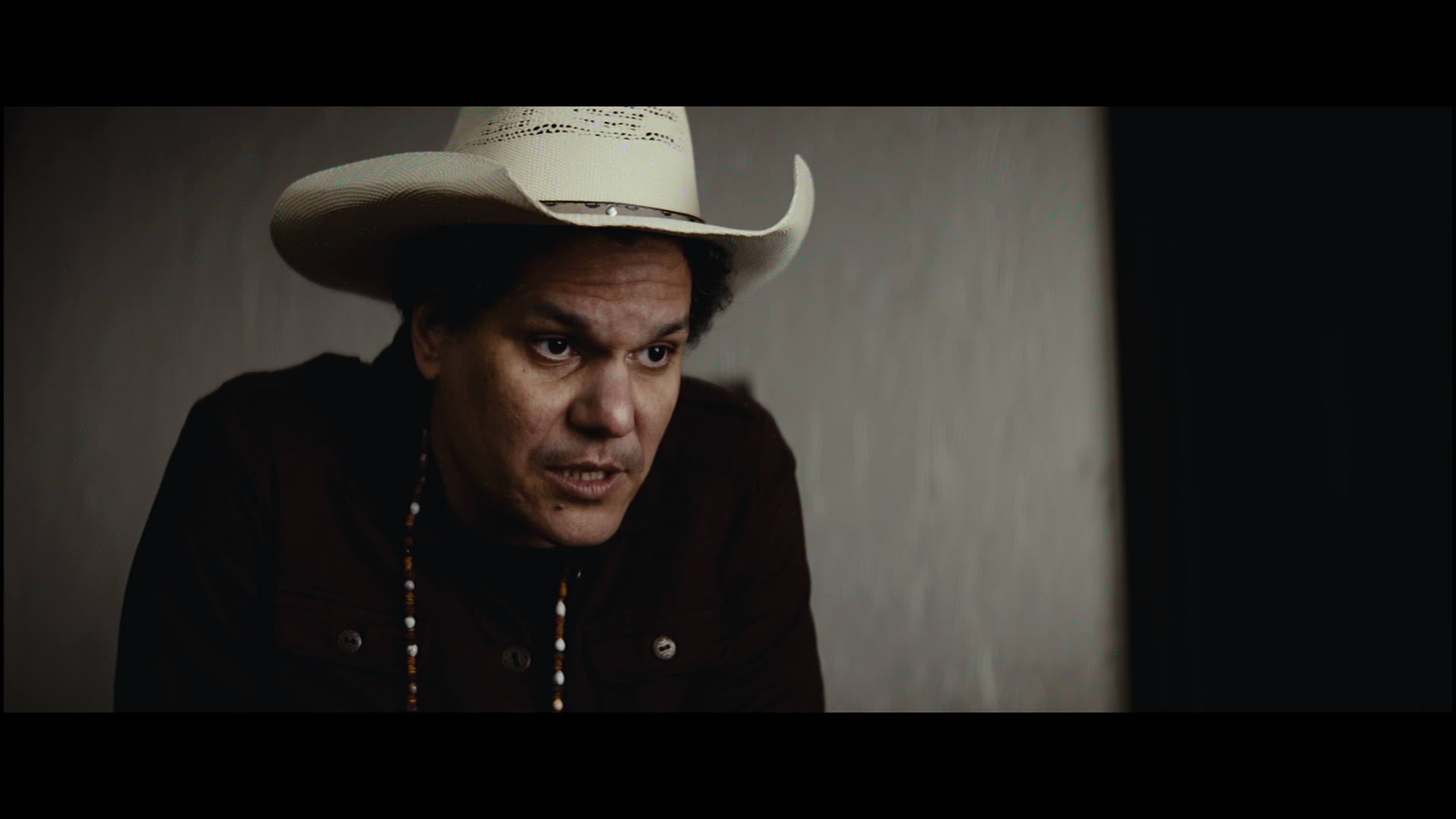
Amado. Watching. Waiting.

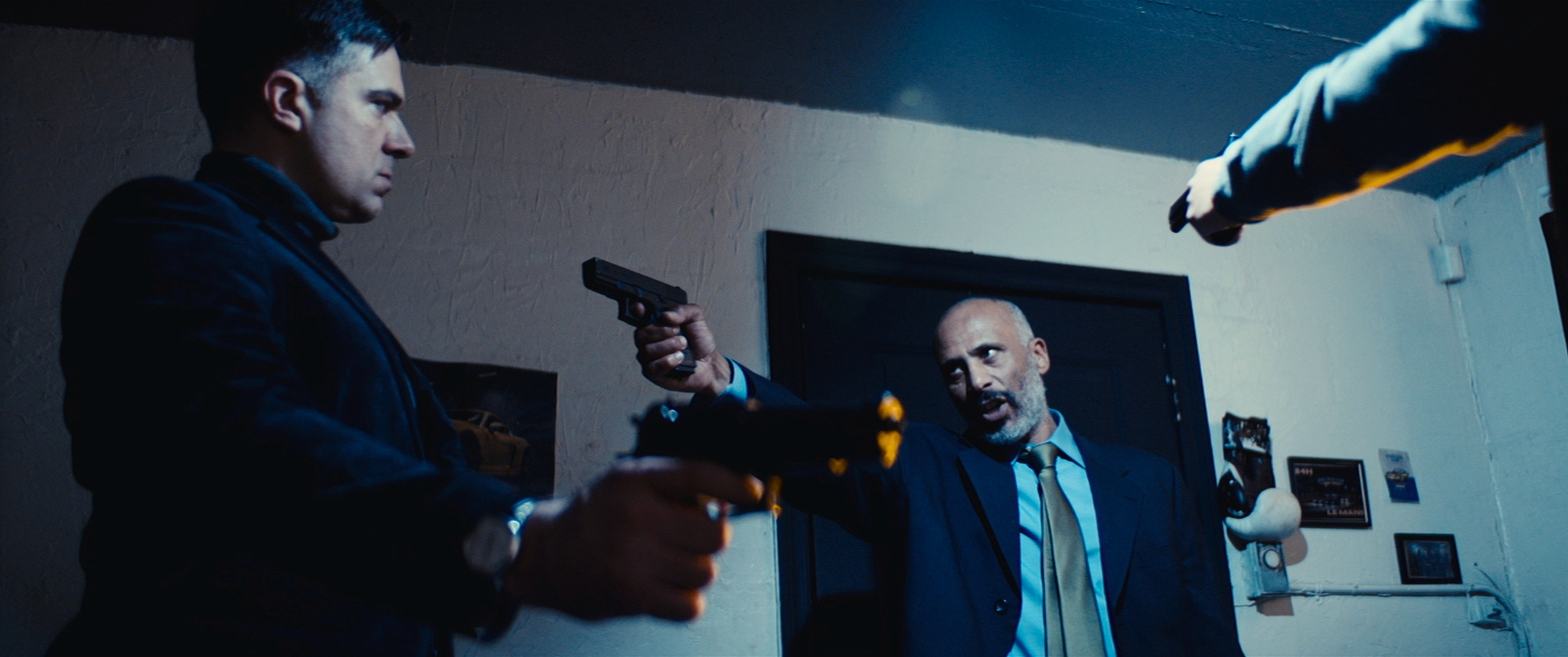
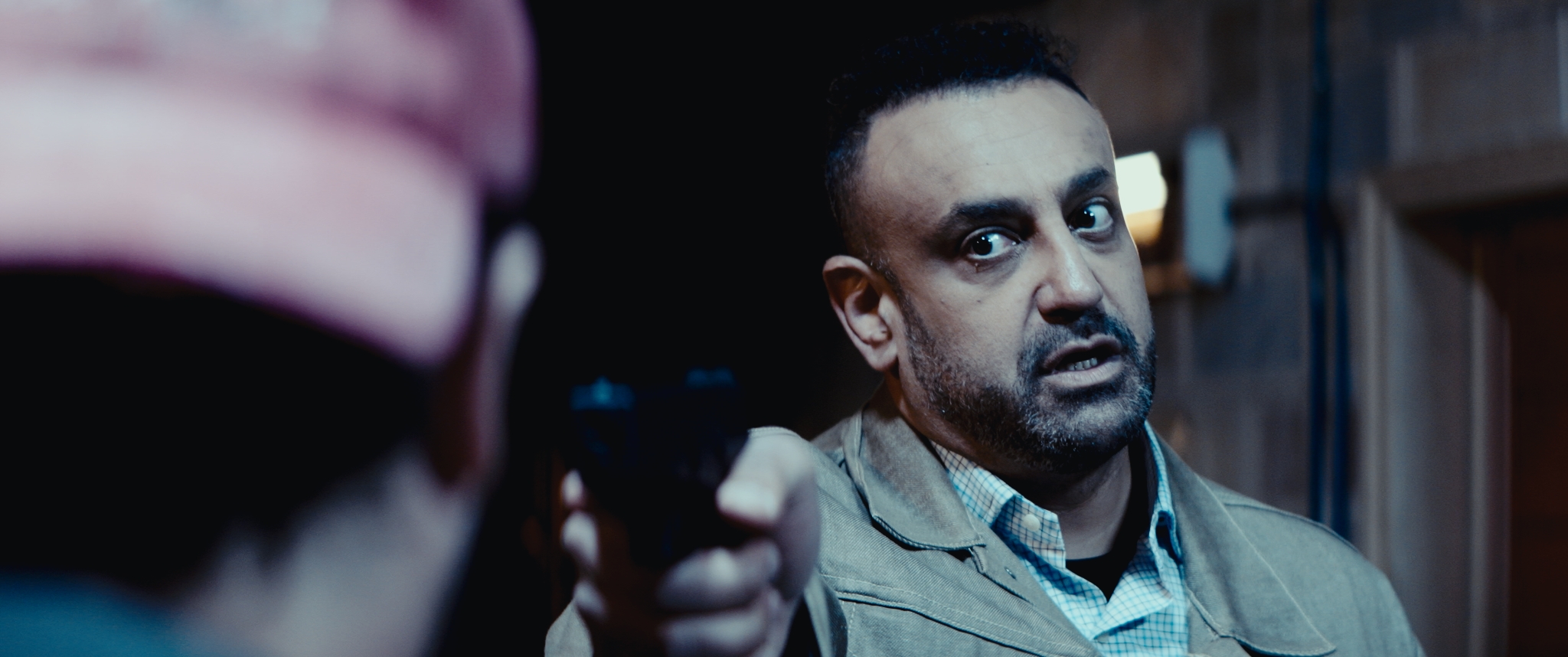
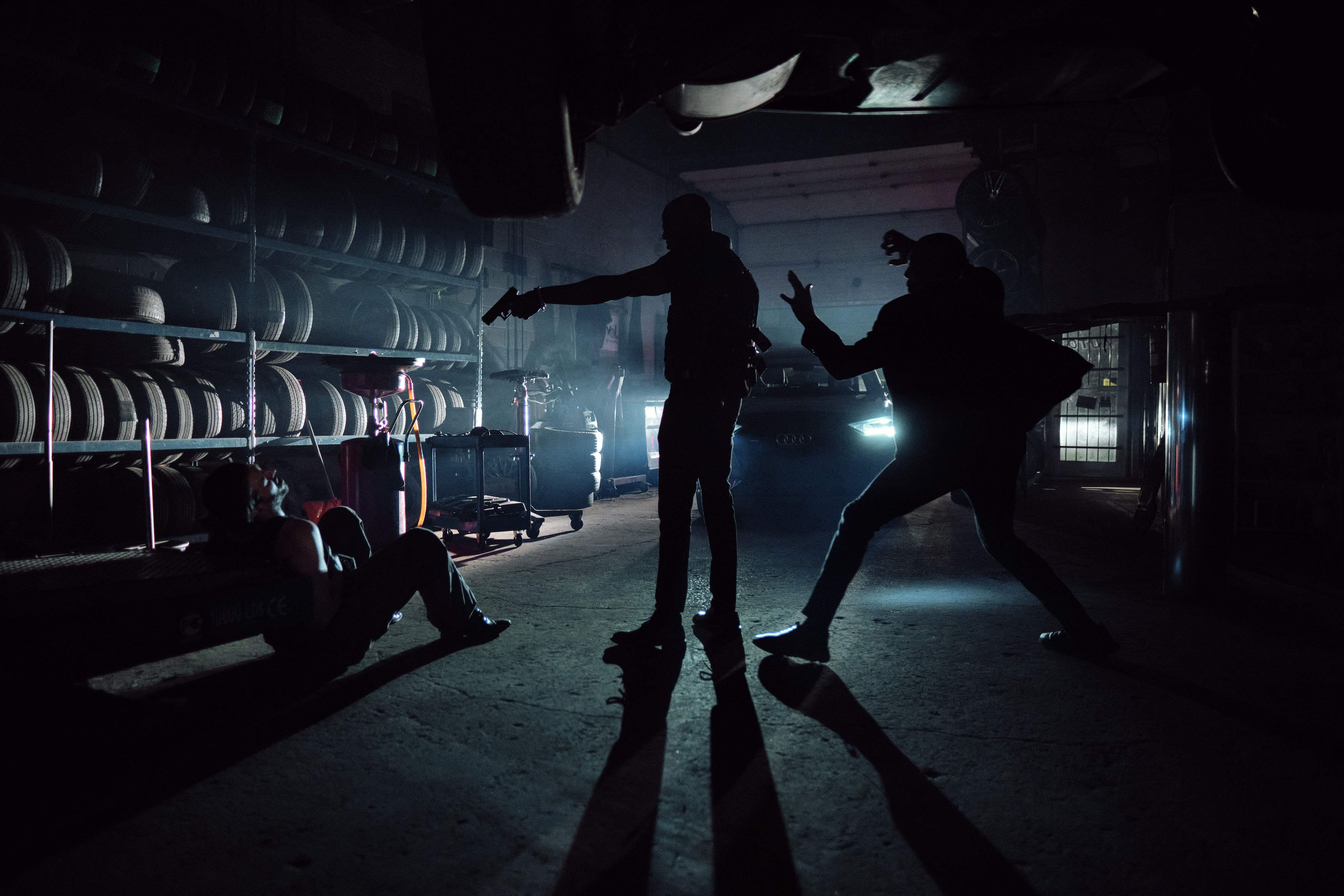
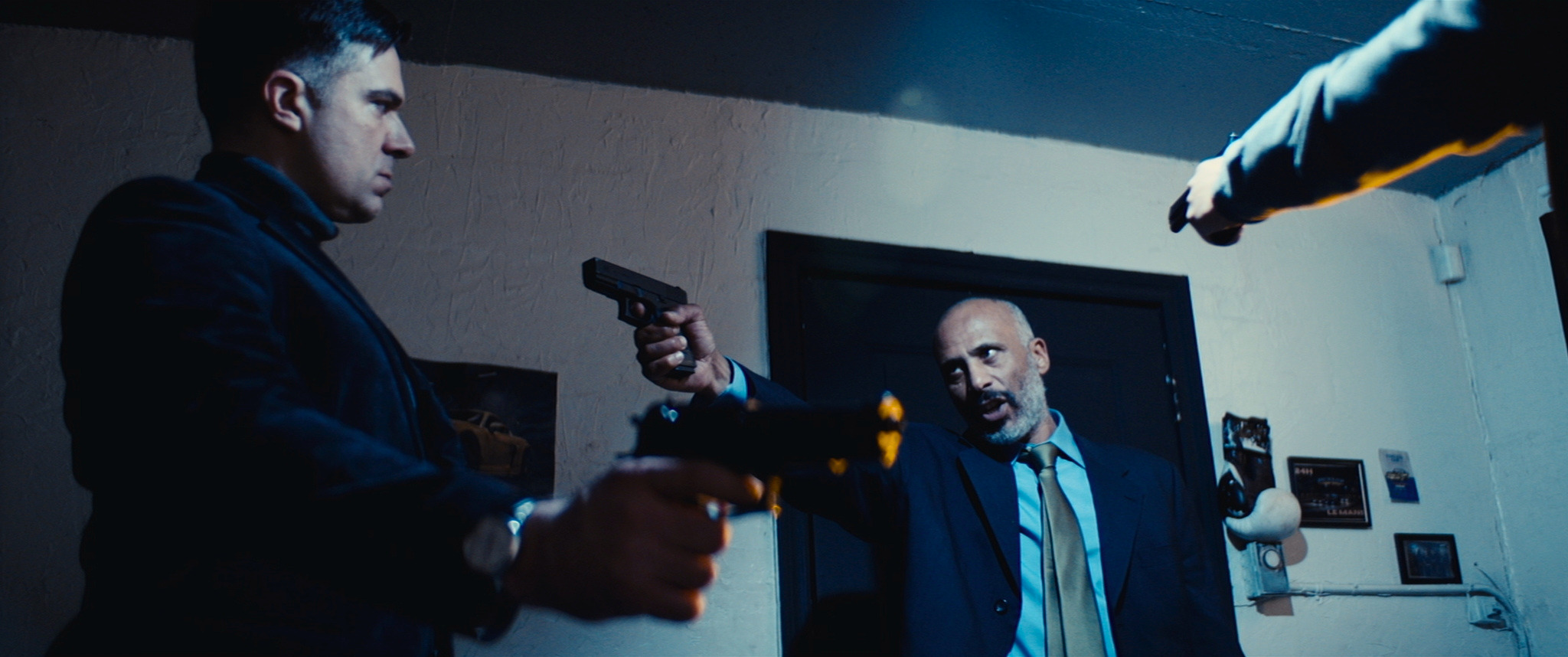
Three guns. No exits. The night reaches its breaking point.
After arriving in the United States in search of a new beginning, Amado, an unauthorized immigrant with no safety net, agrees to deliver a mysterious package to a remote auto garage. What should have been a simple transaction quickly unravels when, moments after receiving the package, Omar takes a mysterious call and dies shortly after. Cut off from communication and unable to leave without risking exposure, Amado finds himself trapped inside a space that feels less like a workplace and more like a sealed environment closing in on him.
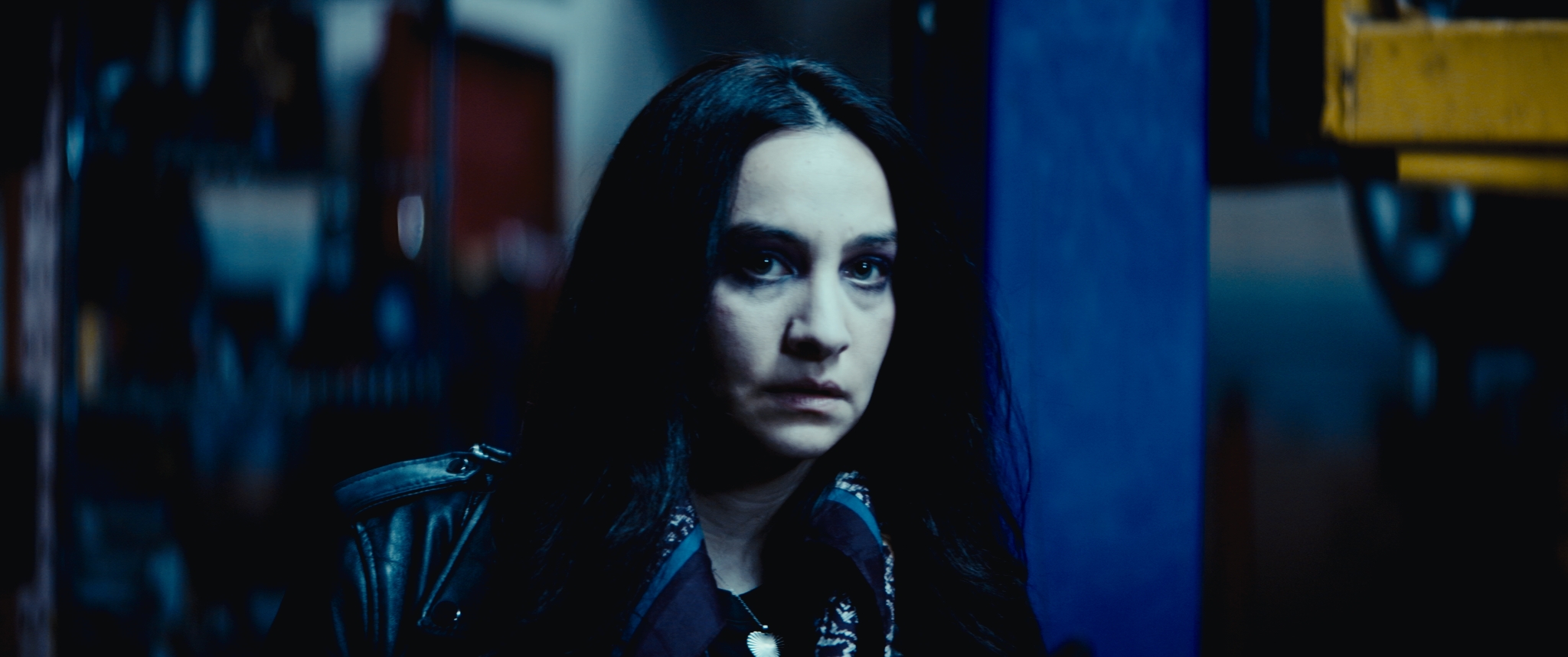
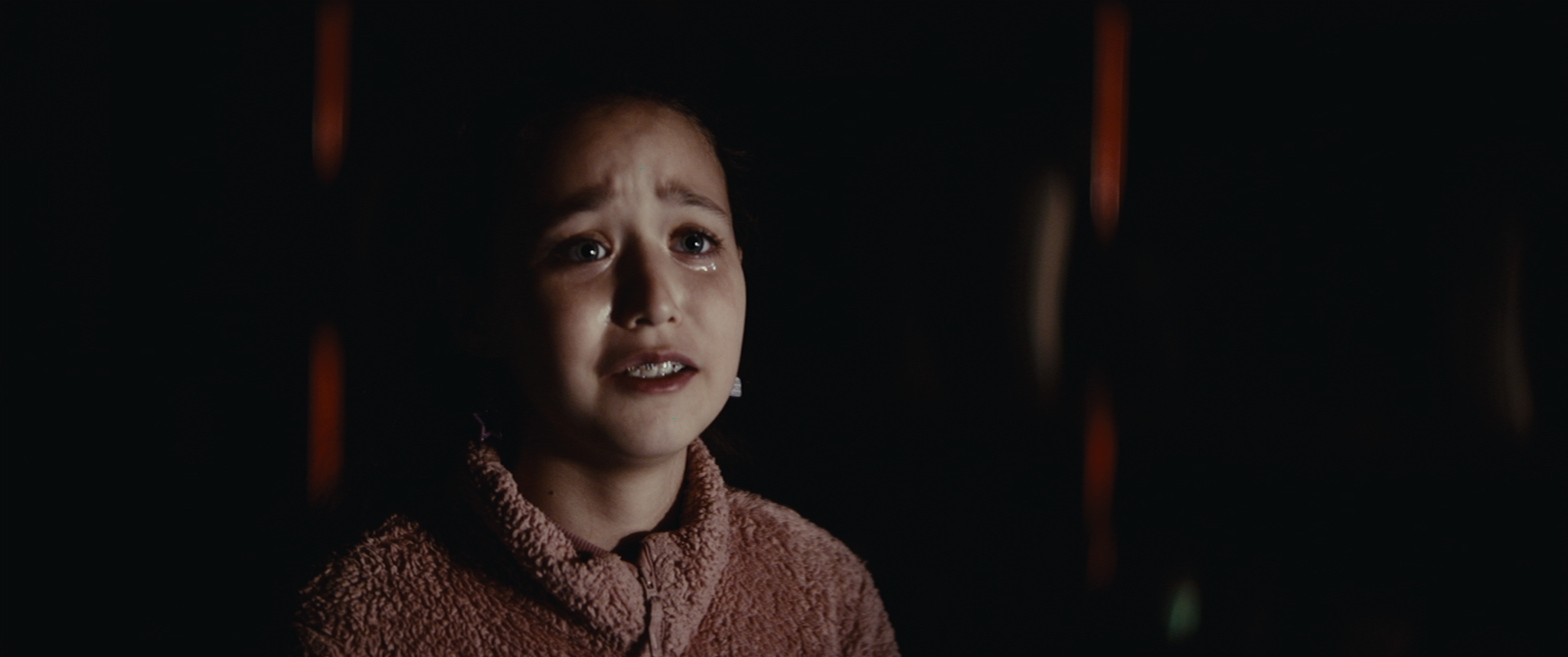
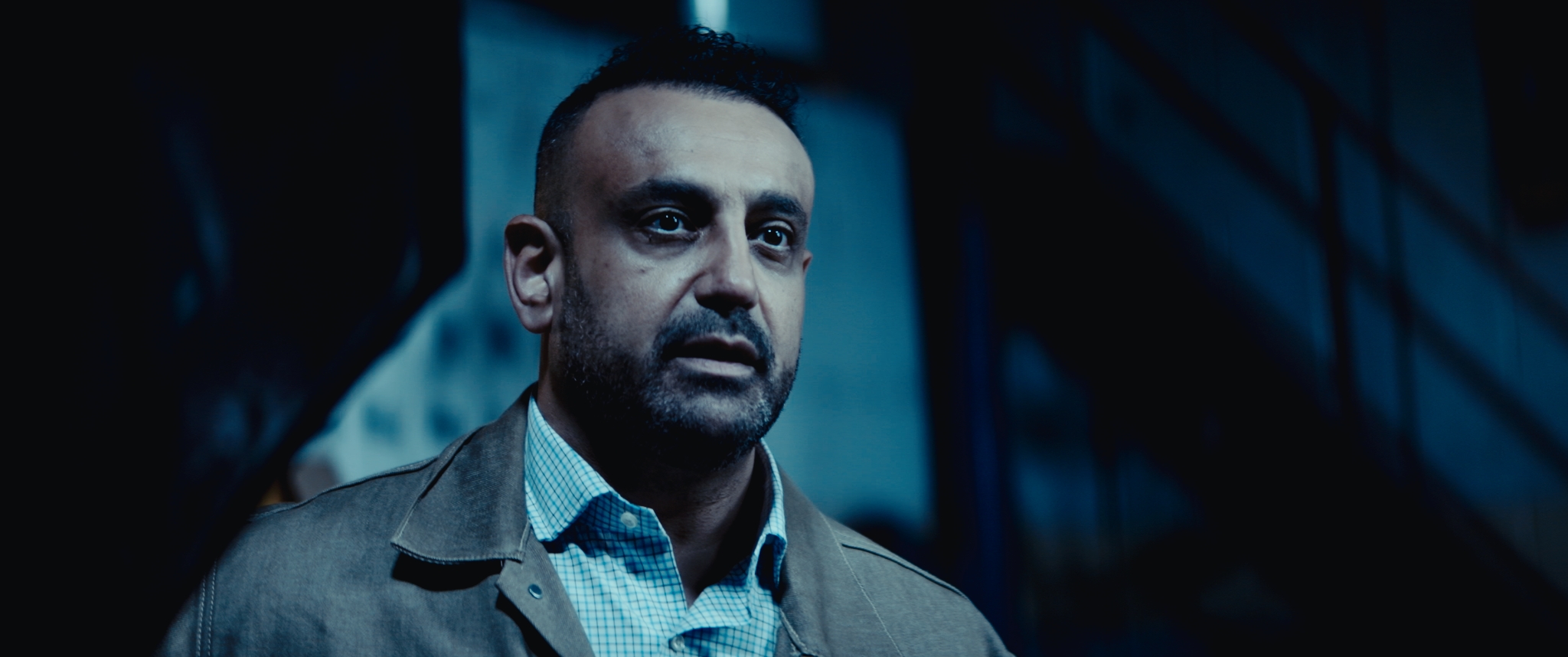
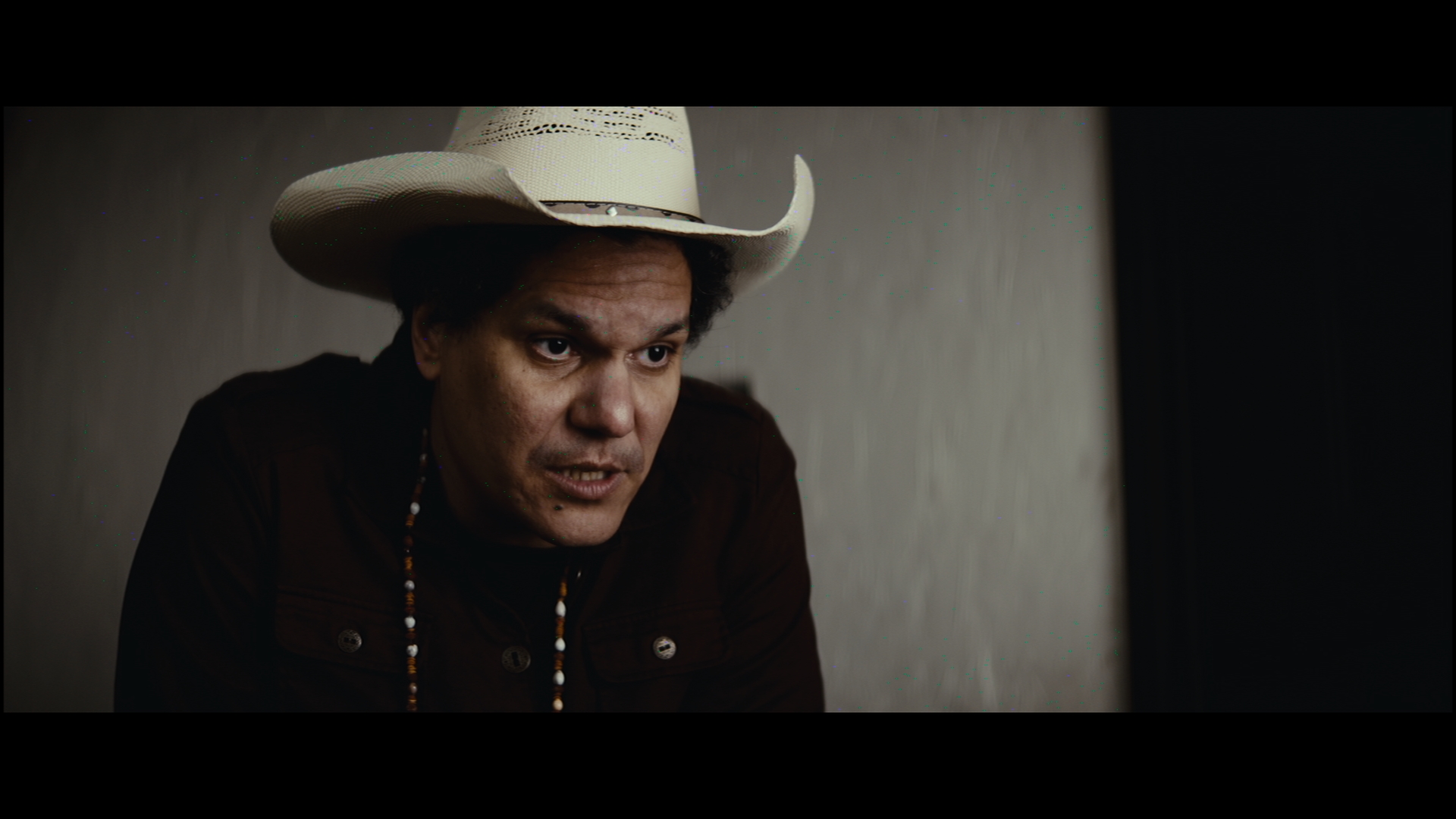
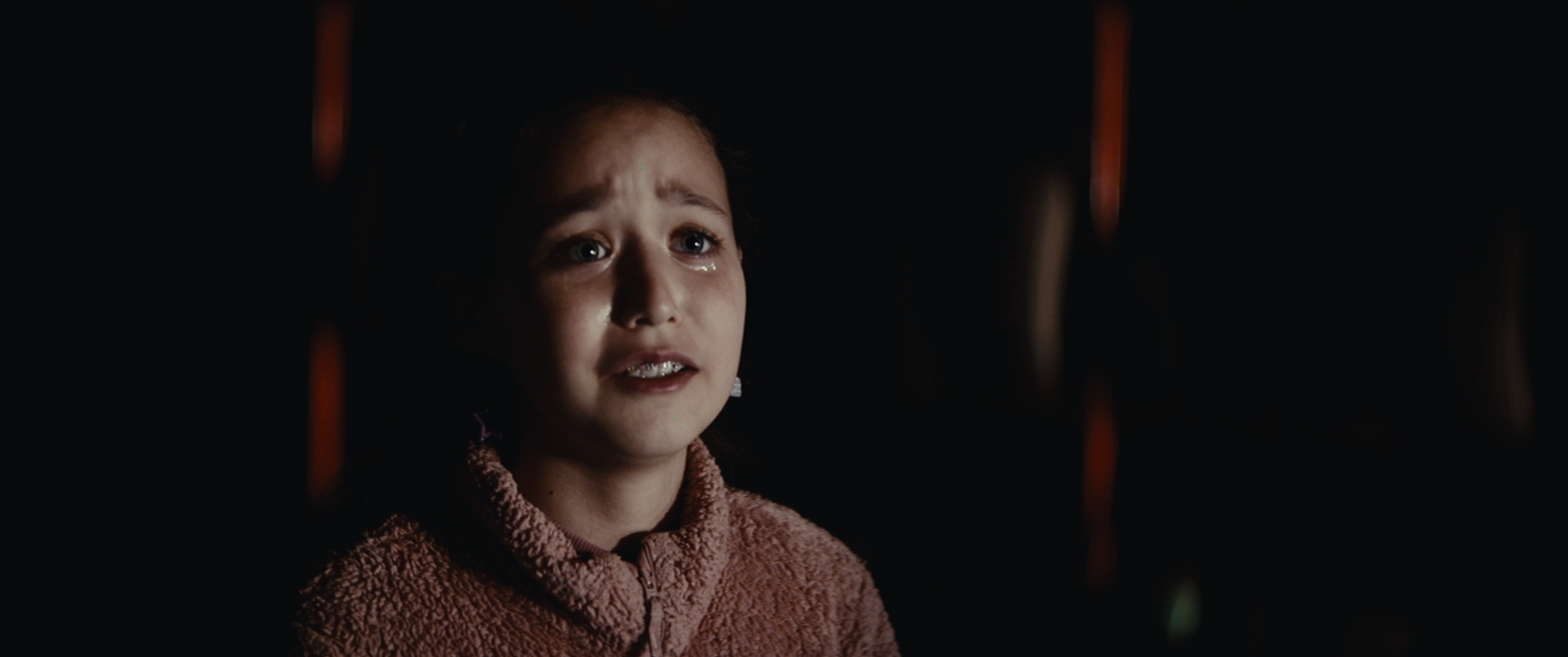
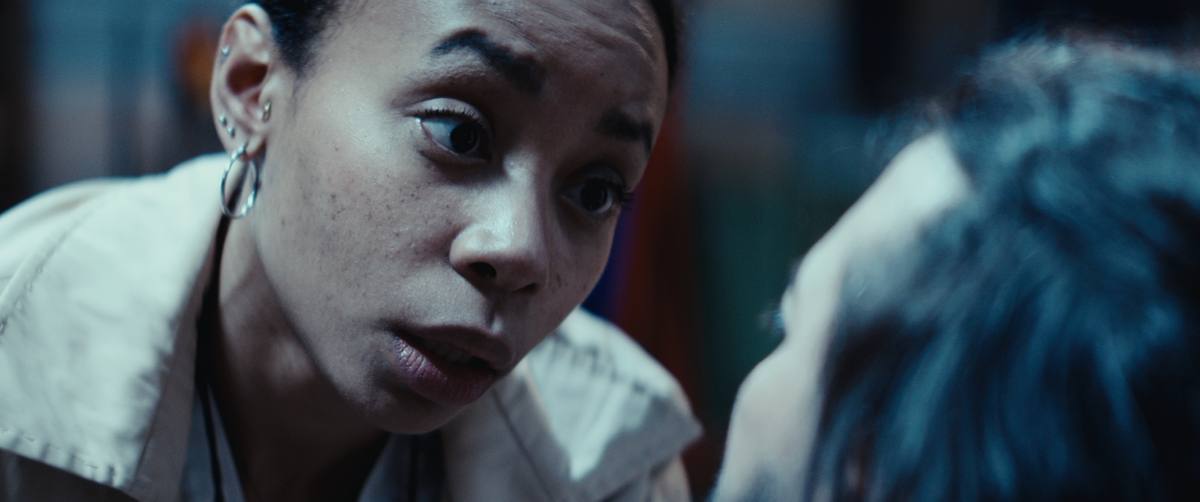
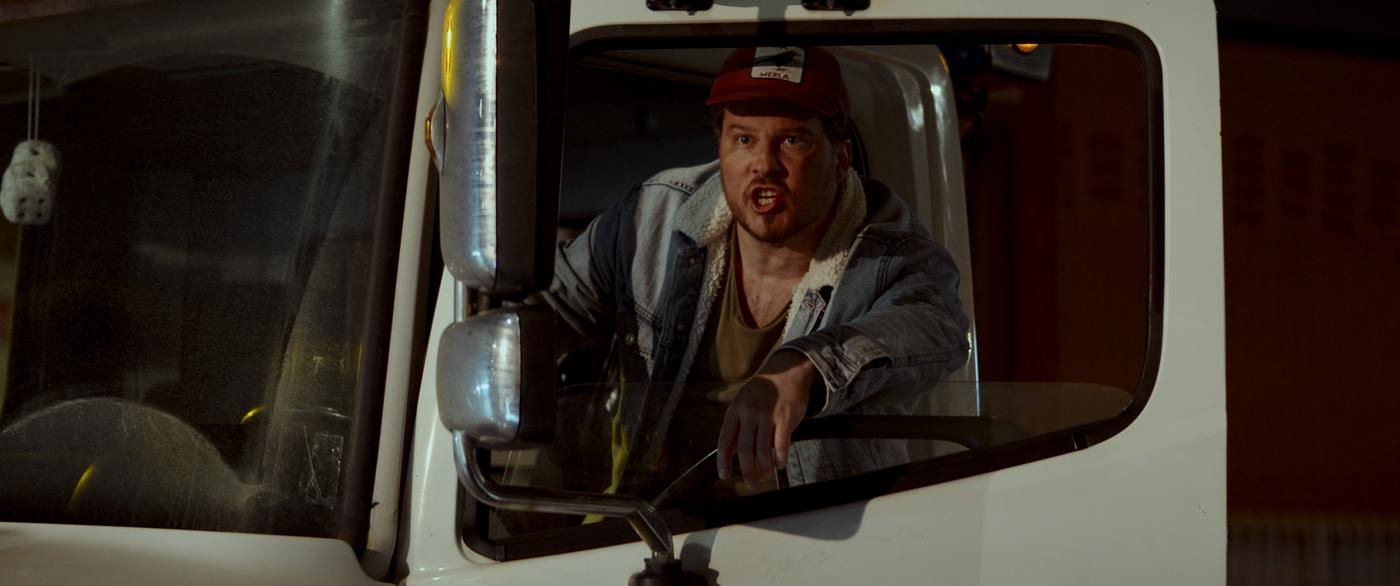
As the night unfolds, a series of unexpected visitors disrupt the isolation. Each arrival brings new tension and deeper uncertainty. A distressed mother searching for help reveals that her young daughter has been kidnapped, pulling Amado into a situation far more dangerous than he anticipated. Suspicious clients move in and out of the garage, their intentions unclear, while a local police officer begins to take interest in what is happening inside.
With no legal standing and no room for error, Amado is forced to assume a false identity, stepping into roles that allow him to survive moment by moment. Inside the confined space of the garage, pressure builds rapidly. Every interaction becomes a test of instinct and control. Every decision carries consequences. The mysterious package, the missing child, and the growing presence of a hidden criminal network begin to intersect, leaving Amado with fewer options and no clear path forward.
Alone, injured, and increasingly desperate, Amado must rely on his ability to adapt, to read people, and to stay one step ahead in a situation that was never designed for him to survive. For a man who cannot call for help, survival depends on how long he can maintain the illusion.


Amado, the main character in 33 Harvest Line, is an unauthorized immigrant. He is also, in every sense that matters, a man without a net.
I made this film because that condition of being invisible to the system while fully visible to those who wish to exploit you is one of the most urgent human stories of our time. Criminals understand the unauthorized better than most institutions do. They see in them not a problem to be solved but a resource to be mined. When these men and women vanish, no report gets filed. No one comes looking.
The garage at the center of this story is not just a location. It is a metaphor I kept coming back to throughout the writing process. Cold, airless, sometimes dangerous, it mirrors the journey itself, the kind of crossing that breaks bodies and spirits in equal measure. In a garage, worn parts get replaced so the machine keeps running. Those who arrive from somewhere else are expected to do the same: to shed whatever made them who they were, to adapt, to disappear into function.
Amado is an actor by trade, and that was a deliberate choice. For the unauthorized, performance is not art. It is survival. Every day requires playing a version of yourself the world around you is willing to accept.
I believe this could be anyone's story. Not because everyone faces the same circumstances, but because every human being understands what it means to be pushed beyond what they thought they could endure. When the system offers nothing and safety is no longer a given, something primal takes over. People who had nothing become capable of the impossible, not out of courage, but out of necessity. That is the story I set out to tell not a political statement, but a human one. Because when you strip away everything that protects a person, what remains is something universal: the will to survive at any cost.
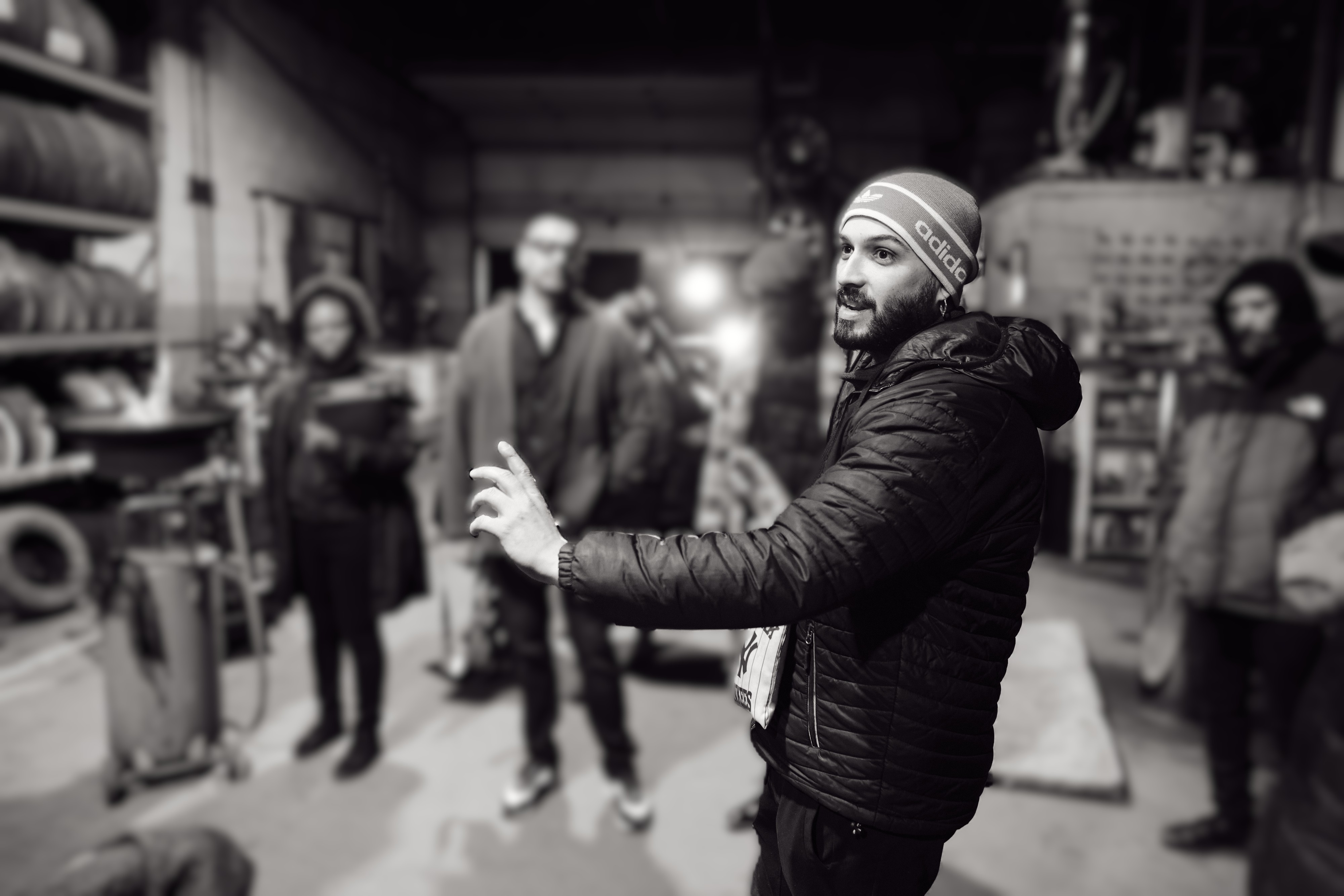
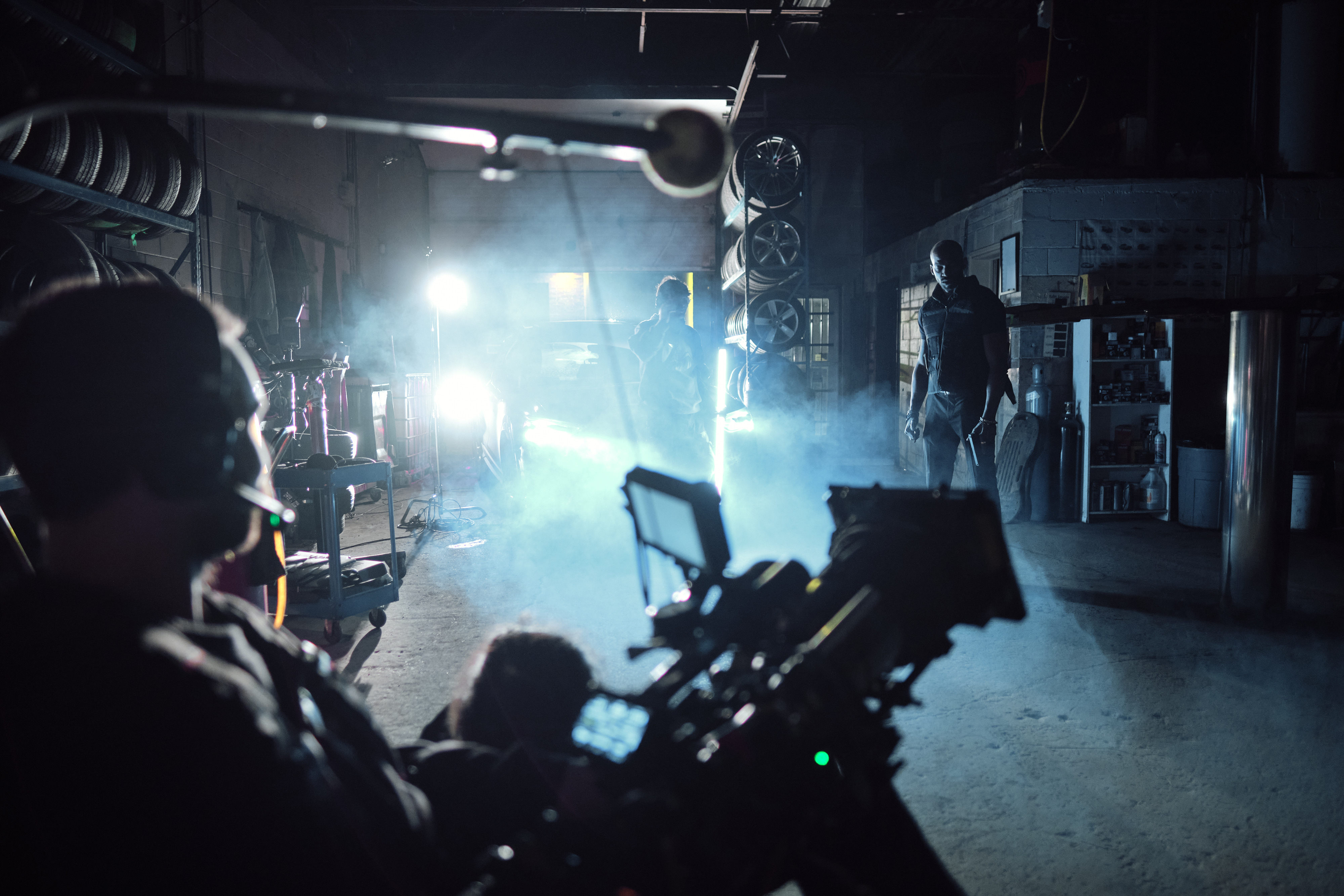
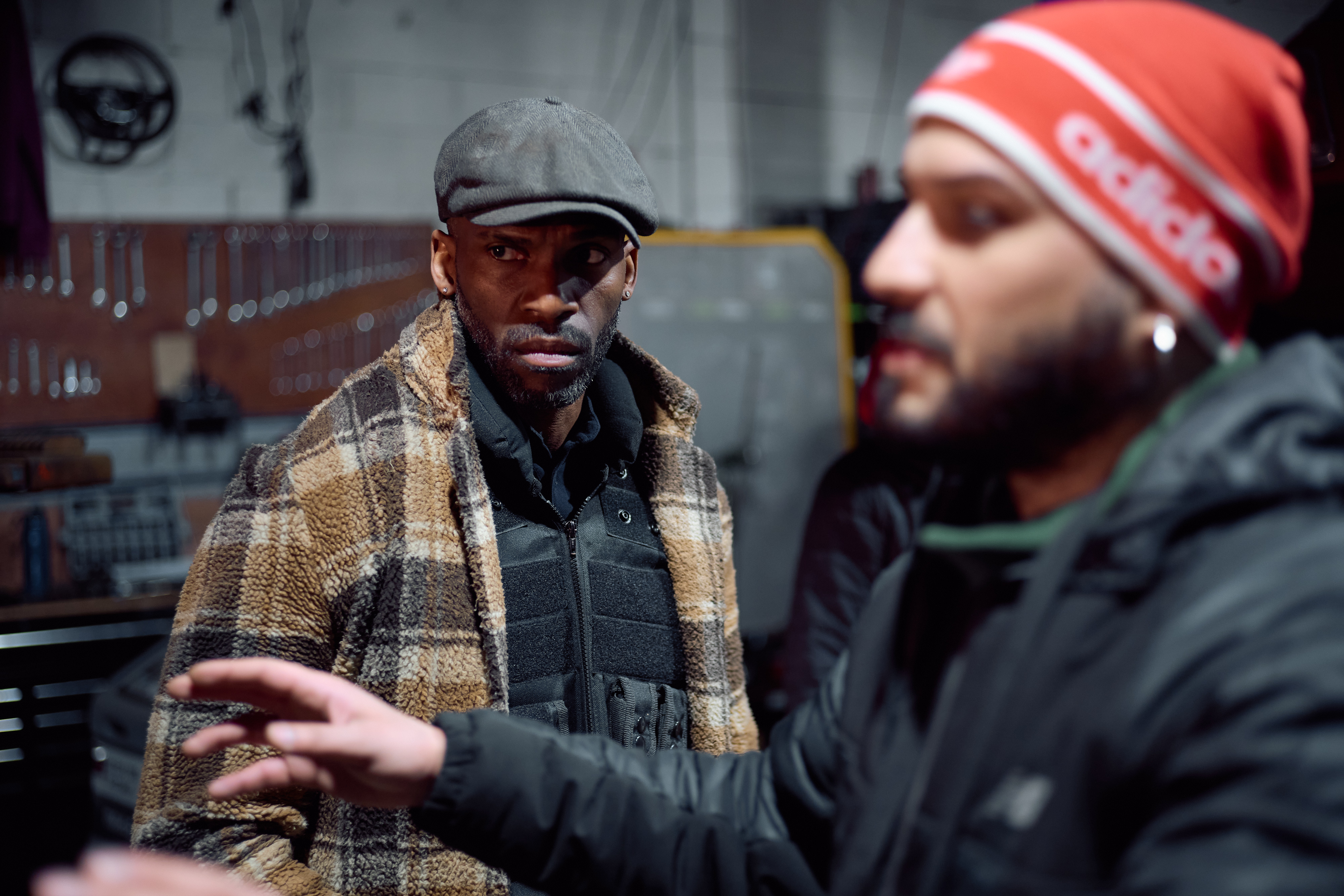
Karim Elamouri on set, The Garage, April 2026.
33 Harvest Line is the kind of film that does not ask permission. It does not soften its edges or look for a comfortable middle ground. It places a man in an impossible situation and follows him through the night with unflinching honesty.
When Karim brought this story to us, what struck me immediately was not the premise but the precision of it. A single location. A single night. A man with everything to lose and no one to call. That kind of compression demands everything from a filmmaker and everything from an audience. Karim delivers on every level.
We made this film because the story demanded to be made. The political climate around immigration is louder than it has ever been, and yet the human being at the center of that conversation is rarely seen. This film sees him.

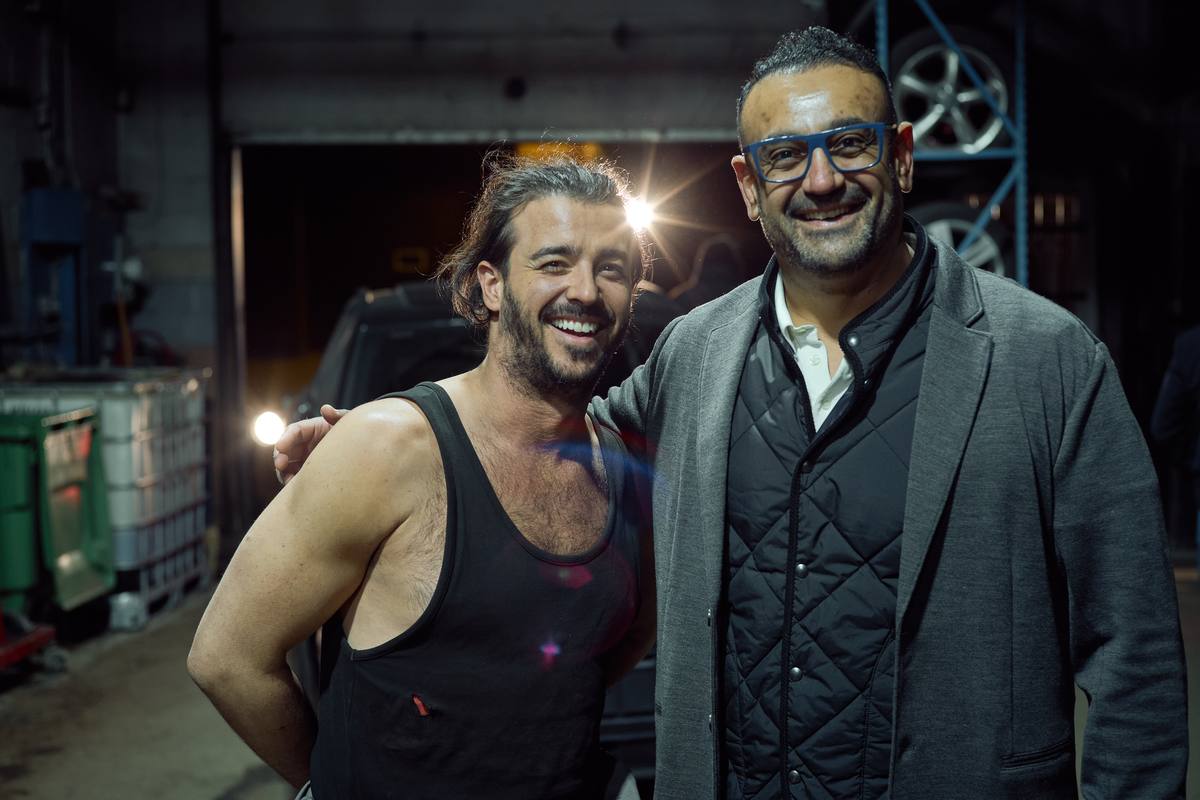
Tamer Zeitoun with Luca Asselin on set, Producer · Executive Producer · Marketing Director
When I read Karim's script for the first time, I recognized something that is increasingly rare in contemporary cinema: a story told entirely through pressure. No relief. No escape route. Just a man, a space, and an escalating series of moments that strip away every illusion of safety.
My role in this film extends beyond production. As editor, I am responsible for the architecture of Amado's night , the rhythm that turns a series of encounters into something inescapable. Cinema lives and dies in the edit, and 33 Harvest Line demanded a particular kind of restraint: knowing when to hold a frame a beat longer than comfort allows, and when to cut before the audience can breathe.
What drives me in projects like this is the convergence of form and meaning. The garage is not just a location. The edit is not just a sequence of images. Together they create a single sustained experience of confinement. That is where the real filmmaking happens.

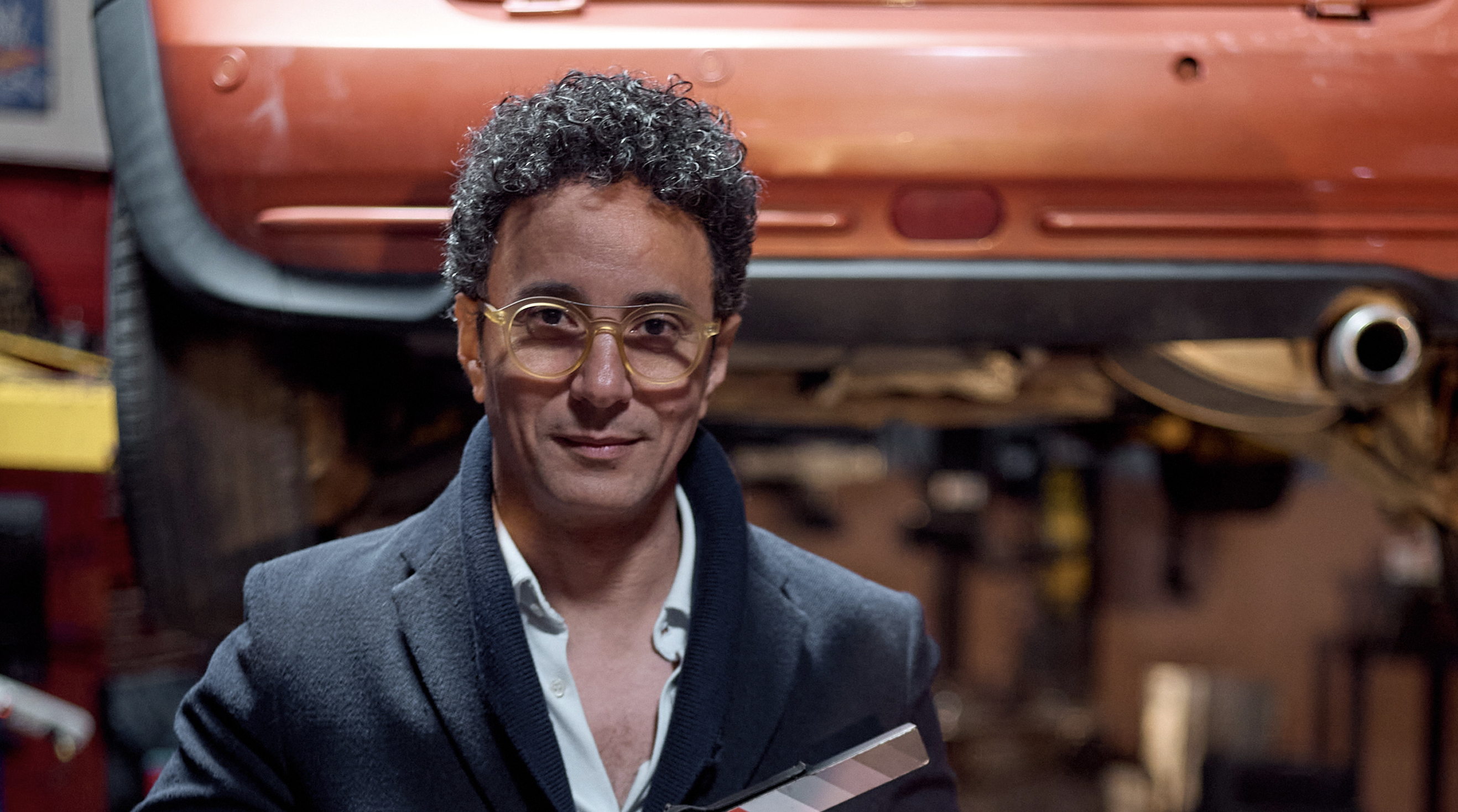
Ayman El Gazwy, Producer · Executive Producer · Editor


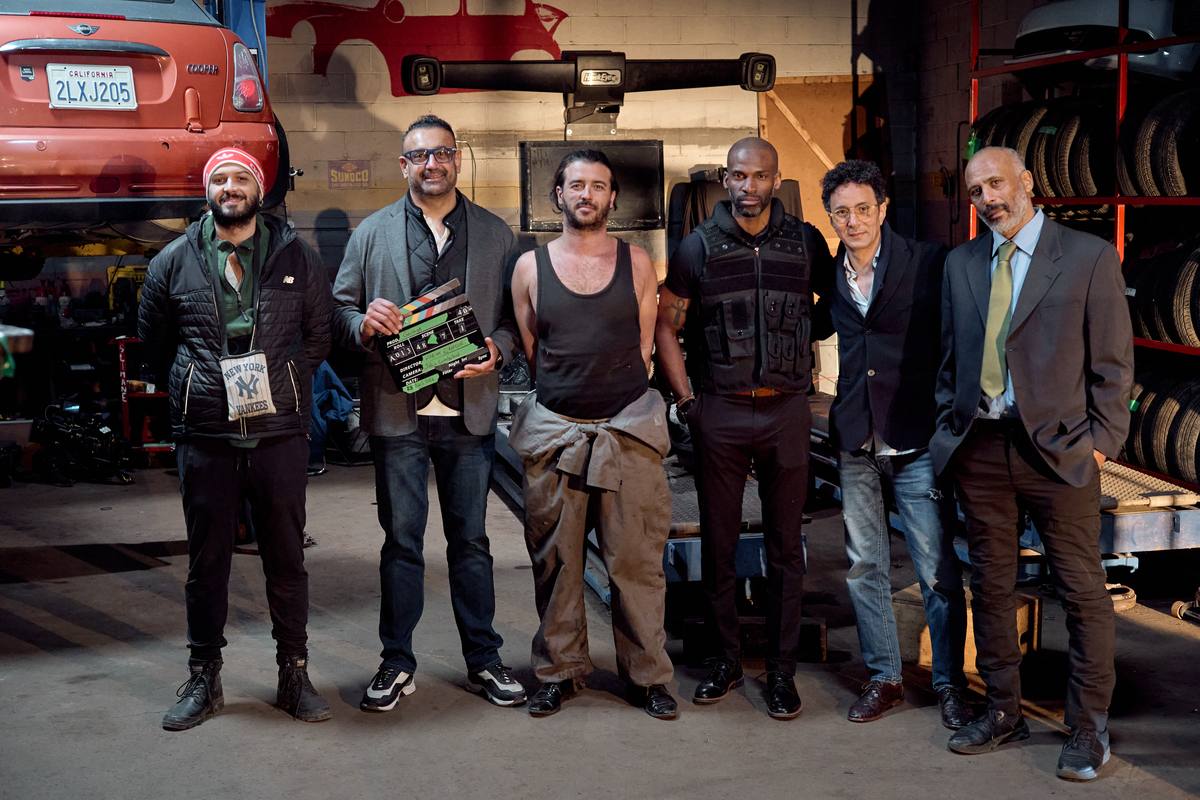
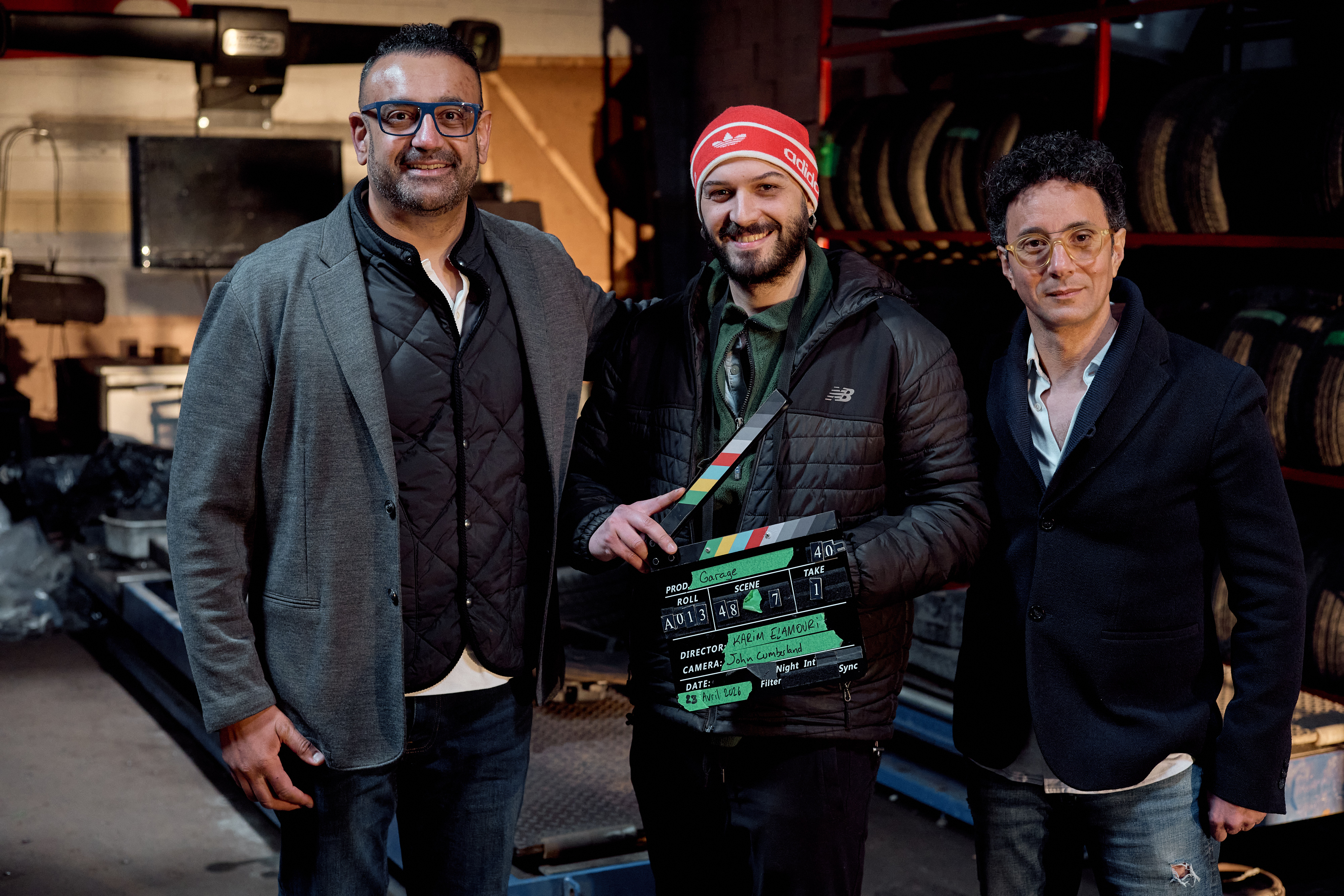
Left to right: Karim Elamouri, Tamer Zeitoun, Luca Asselin, Lucson, Ayman El Gazwy, Ziad, On set, The Garage, April 2026.
A versatile filmmaker trained in communication and cinema, Karim began as a television cameraman in Quebec in 2014 before moving into writing. In 2022, he wrote Mamma en chef, a culinary comedy series produced by TV5 and JEDlab. In 2024, he wrote and produced Barzakh by Kays Mejri, which won five major awards at Montreal's Mix Film Festival, including Best Feature and Best Original Screenplay. He also produced Algiers, winner of the Best Feature Grand Prize at the Rhode Island International Film Festival and Algeria's official submission to the 2025 Academy Awards.
A movie and music producer and marketing director based in Florida, with a career that blends storytelling, music, and strategic positioning across international markets. He began in Egypt producing television content and public awareness campaigns before expanding into film production across Canada and the United States. His work in music production includes a collaboration with Shakira on the Sahara Remix of Whenever, Wherever. On 33 Harvest Line, Zeitoun leads both creative development and commercial positioning and steps in front of the camera as James.
An Egyptian-Italian award-winning filmmaker whose career spans more than three decades across film, television, and commercial media. He began his artistic journey at fifteen in sculpture and visual arts, earning early recognition through major exhibitions. That foundation in form, structure, and visual composition defines his cinematic language. He has worked as director, producer, writer, cinematographer, and editor across documentaries, news, advertising, television, and music videos. With 33 Harvest Line, ElGazwy brings depth of experience and visual storytelling precision to a project that reflects both his artistic roots and his continued evolution.
A French-Australian cinematographer based between Montreal and Paris, known for his mastery of light as a storytelling tool. His work spans narrative shorts, features, and international co-productions. Selected credits include Olga's Mirage (colour graded at the National Film Board of Canada), Presque, Ricochet, Les Copains d'Abord, Echoes of the Void, Heat, La Livraison, and Rochefort. Cumberland brings a calm, collaborative presence to fast-moving, high-pressure productions. 33 Harvest Line marks his latest feature work.
In 33 Harvest Line, identity is not something fixed. It is something negotiated in real time. Amado moves through the night as a man in flux, reshaping himself with every encounter. In a world where being recognized can be dangerous, he learns to exist in fragments, revealing only what is necessary. Survival is not just about staying alive. It is about knowing which version of yourself to let the world see.
Amado's reality is defined by absence. No protection, no recourse, no place to turn when the system itself becomes a threat. The structures that promise order and safety exist around him, but not for him. This absence is not abstract. It is immediate and physical, shaping every choice he makes.
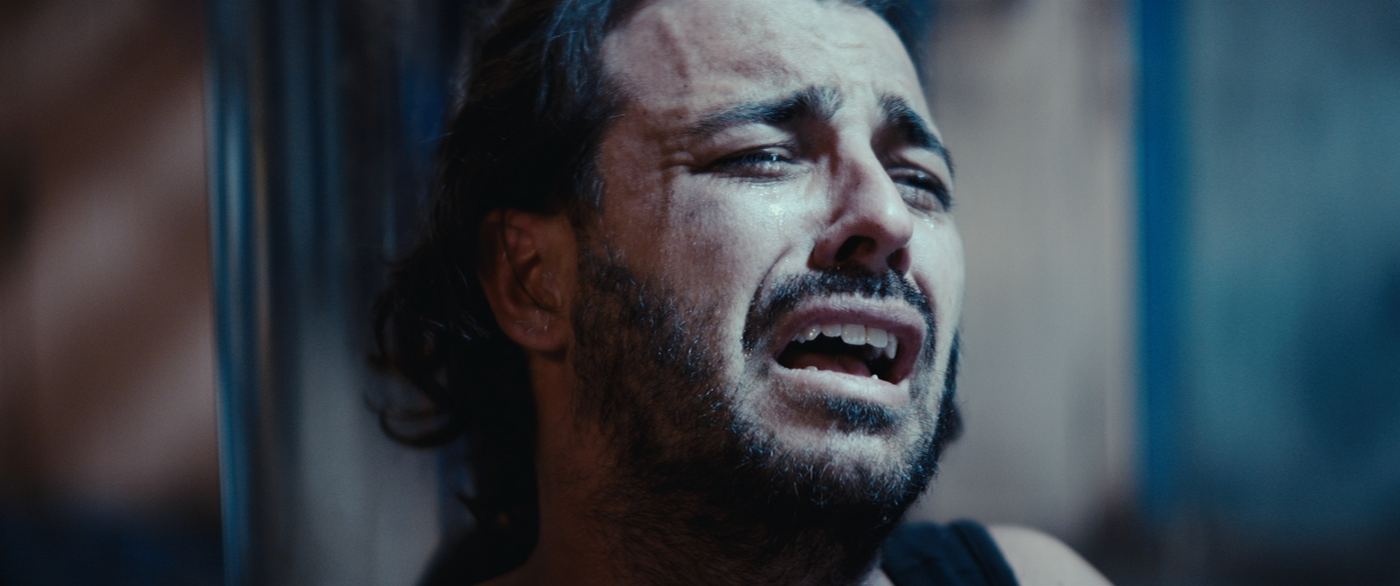
An actor by profession, Amado understands performance as craft. But inside the garage, performance becomes instinct. Every word, every gesture is measured, adjusted, recalibrated in response to shifting danger. He inhabits roles not to express himself, but to disappear into them. The boundary between who he is and who he pretends to be begins to erode.
The garage becomes a closed world, where time compresses and choices narrow. Cut off from the outside, Amado is forced to confront decisions without guidance, without distance, without relief. Each encounter raises the stakes. In isolation, morality is no longer stable. It bends, shifts, and fractures under pressure, revealing what remains when there are no good options left.
The story was born out of a close observation of the realities faced by unauthorized immigrants today. The writer was struck by how individuals seeking a better life often find themselves operating without protection, making them vulnerable to exploitation by those who recognize their lack of legal standing. Rather than approaching the subject from a purely political standpoint, the film focuses on the human dimension of survival under pressure.
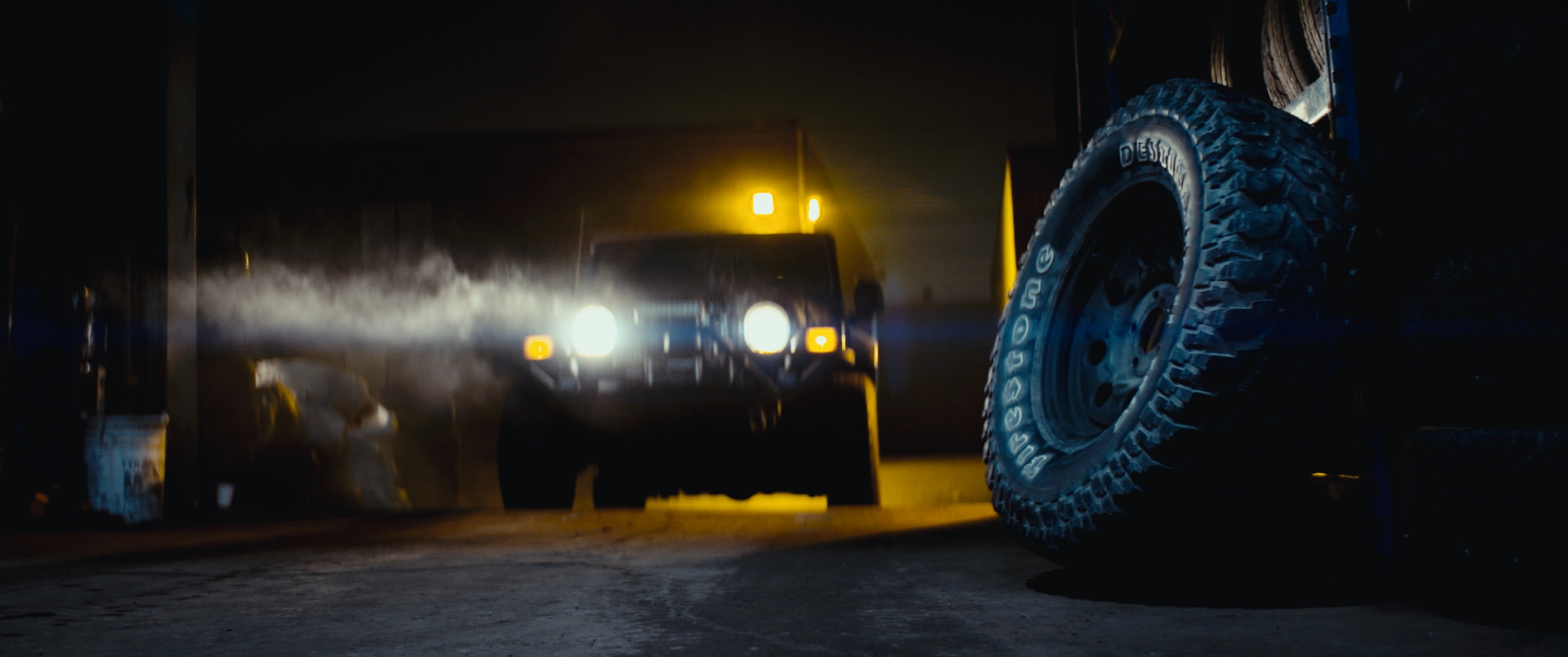
The garage was chosen as both a practical and thematic decision. Visually and narratively, it functions as a contained environment where tension can build in a controlled and continuous way. It is a transitional space by nature, a place where things pass through, are repaired, or are replaced, which mirrors the experience of individuals navigating systems that demand adaptation. Its industrial, enclosed character reinforces the sense of confinement and invisibility that defines Amado's journey.
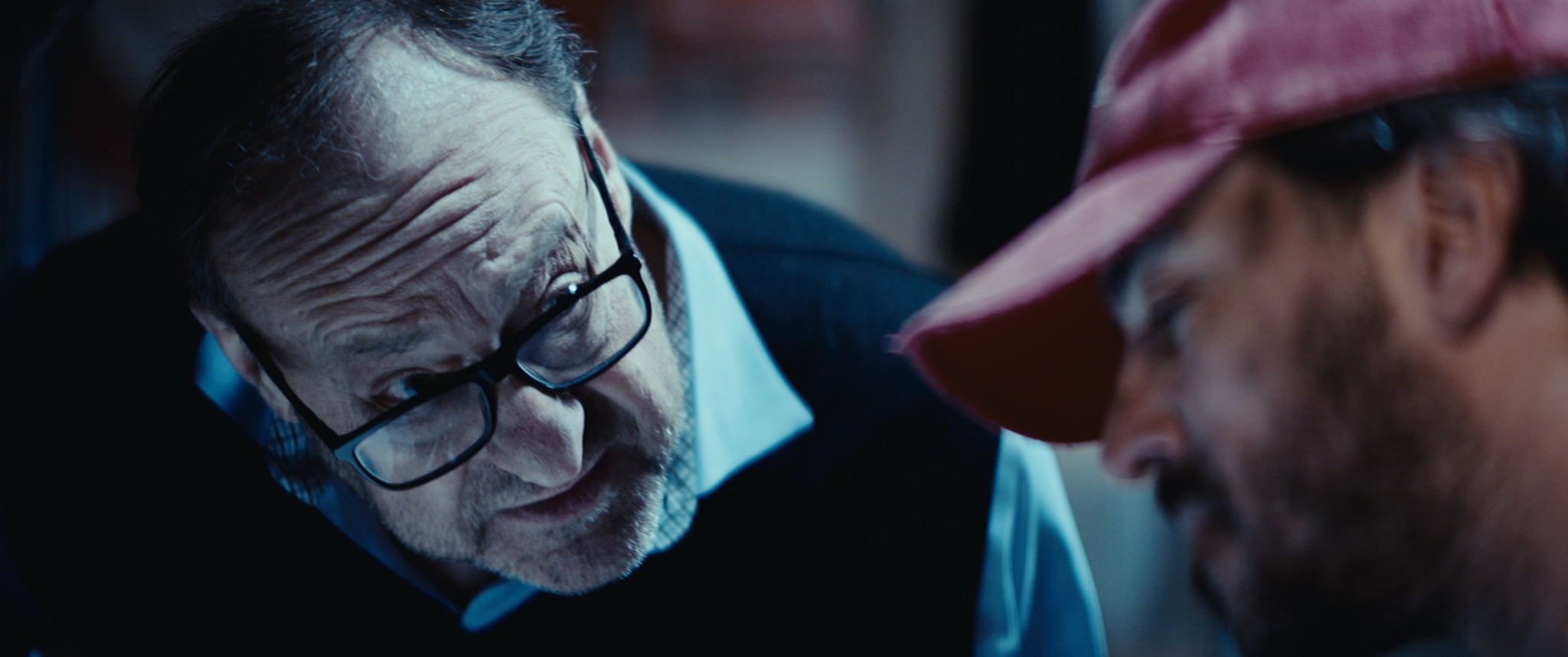
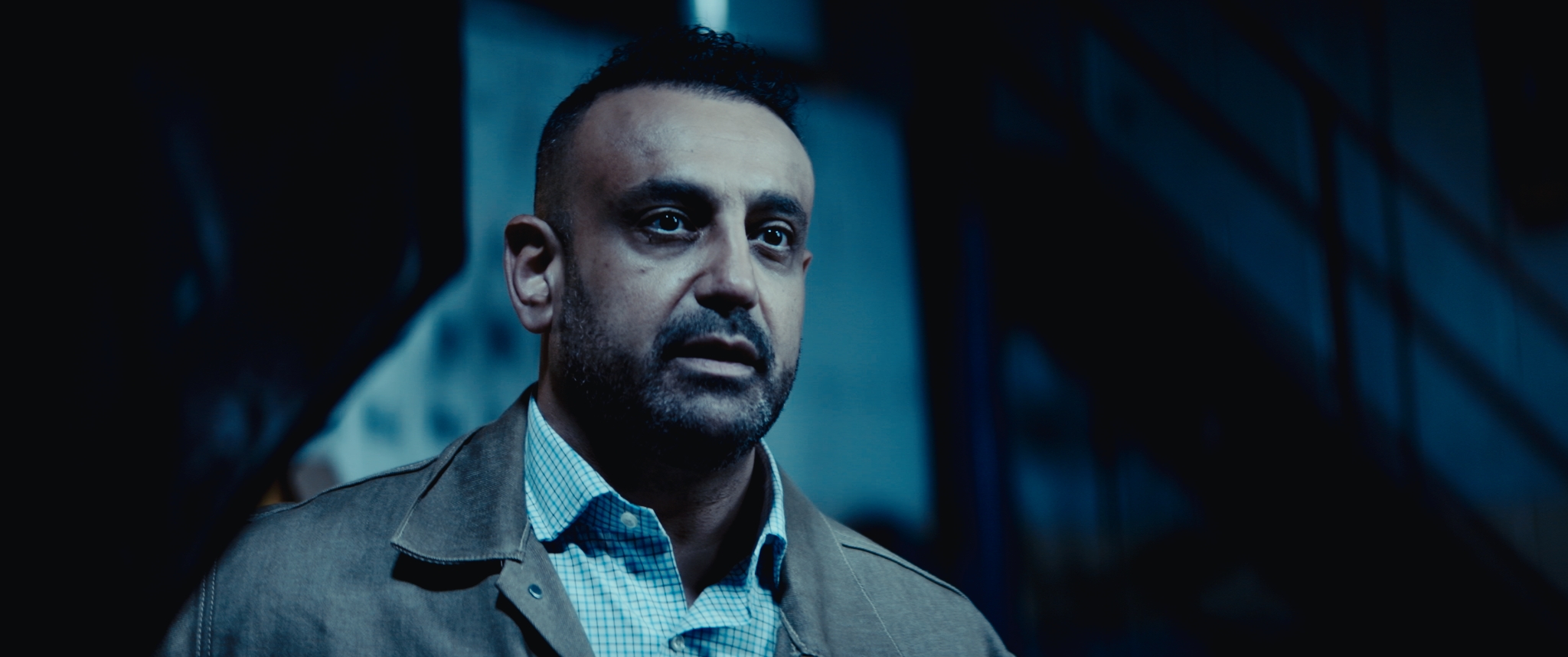
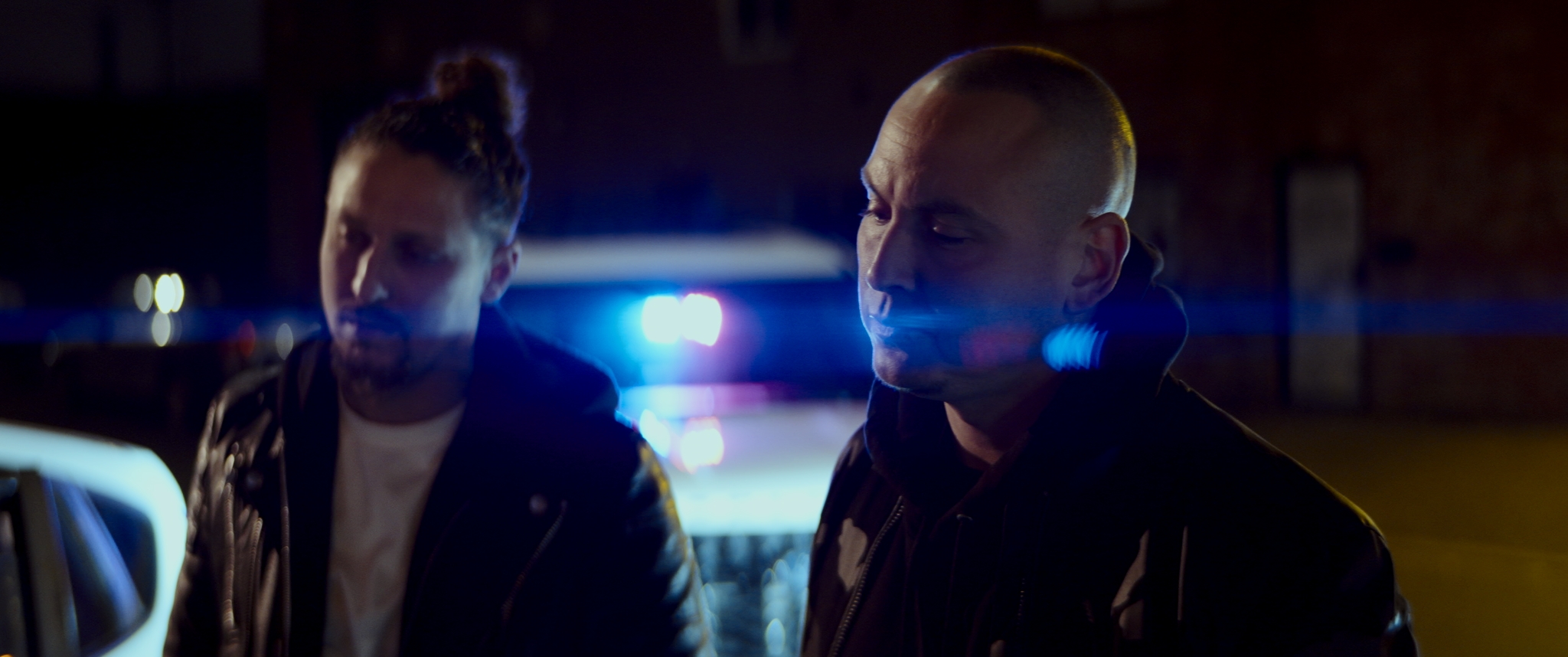
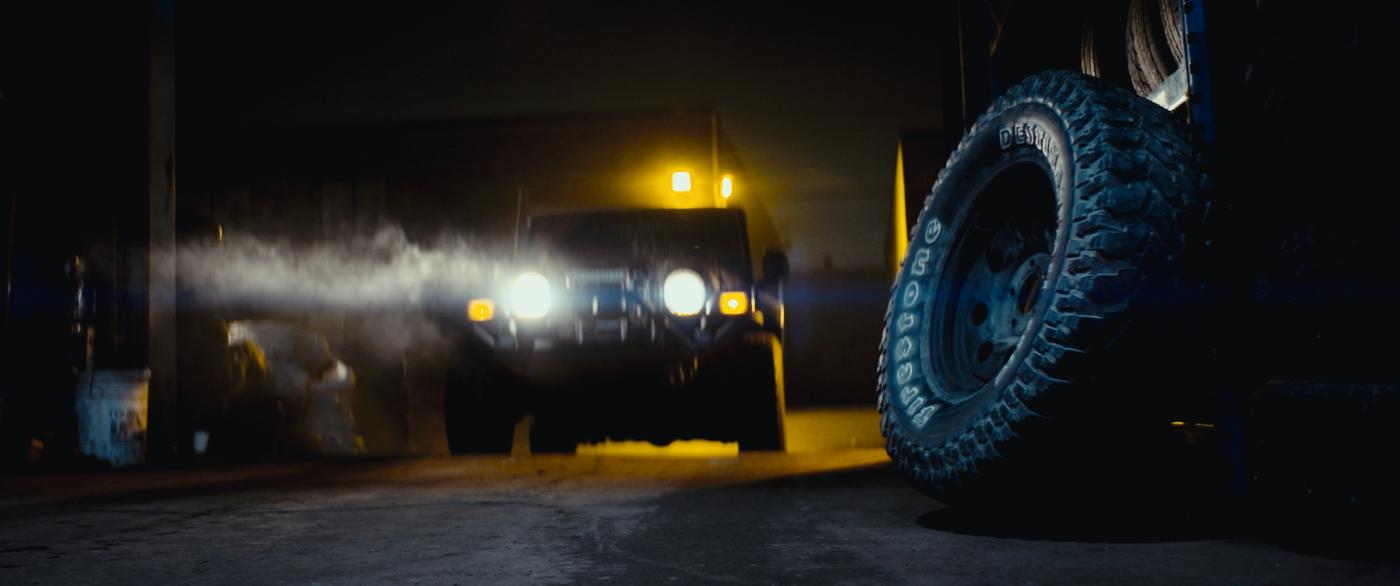
Shot primarily on the Sony FX6 in XAVC-I DCI 4K at 24fps using a 2.39:1 anamorphic aspect ratio. Rehoused Contax Zeiss lenses paired with Schneider Cine Lux 2x anamorphic optics create a textured, cinematic image with natural imperfections. The camera remains predominantly handheld when Amado is present, following his movement closely. Scenes were typically constructed by first capturing a long master take, followed by multi-angle coverage to build tension in the edit.
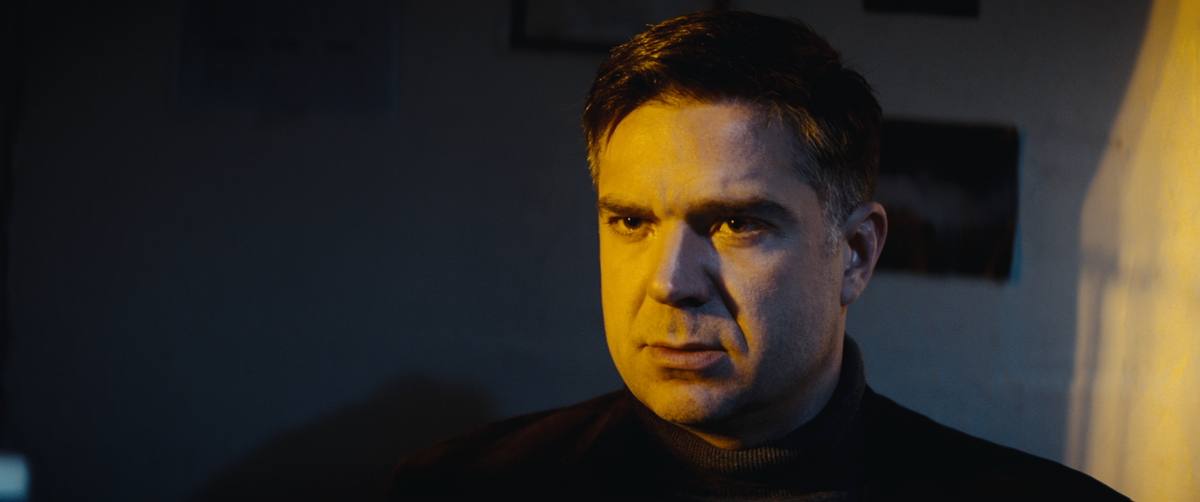
The tone of the film is grounded, tense, and progressively claustrophobic. Lighting is consistently motivated by practical sources, creating pockets of illumination that allow the character to move in and out of shadow. This approach reinforces both realism and thematic invisibility: Amado is not always fully seen, even within the frame.
The visual style leans toward slight desaturation and increased contrast, supported by a custom show LUT, to create a restrained and naturalistic palette. While the camera is predominantly handheld to mirror emotional instability, more static compositions are used selectively to create contrast, evoking the detached perspective of surveillance or a moment suspended in time.
| Title | 33 Harvest Line |
| Director | Karim Elamouri |
| Runtime | 90 minutes (TBC) |
| Aspect Ratio | 2.39:1 Anamorphic |
| Camera | Sony FX6 / XAVC-I DCI 4K / 24fps |
| Lenses | Rehoused Contax Zeiss + Schneider Cine Lux 2x Anamorphic |
| Color | Color / Slight Desaturation / Custom LUT |
| Country | USA / Canada / UK |
| Language | English |
| Genre | Thriller / Drama |
| Production Companies | Boga Films · Farka Productions · Tamer Zeitoun |
| Year | 2026 |


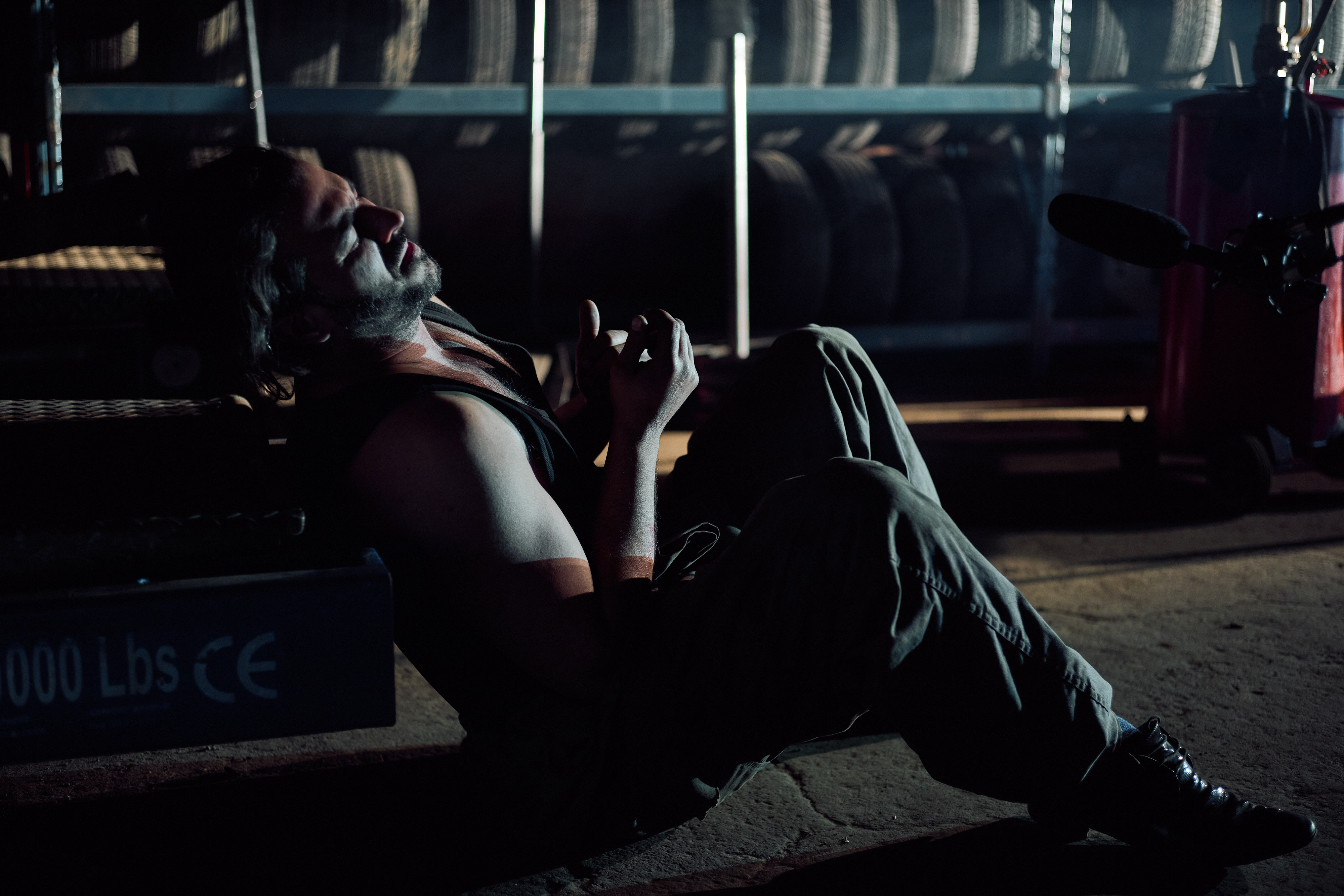
Photography by Vivien Gaumand. On set, The Garage, April 2026.
Screeners and additional materials available upon request.